

Understanding Radiation and Natural Gas Development
Understanding Radiation and Natural Gas Development
By Carrie Crumpton, CNX Vice President of Environmental Strategy
Hey Carrie, how is radiation associated with gas operations?
Much of the petroleum and natural gas developed in the United States was created by the decay of ancient sea life. Naturally occurring radionuclides, which are radioactive forms of elements, and their decay products are found in various natural formations, including shale rock and gas formations, because of the origin of these sedimentary rocks and their organic content. Gas reservoirs often contain detectable amounts of radionuclides like radium-226, radium-228, and lead-210, which occur naturally in the earth. These constituents, collectively known as Naturally Occurring Radioactive Material (NORM), can become what is referred to as Technologically Enhanced1 (TENORM) through human activities such as oil and gas production, mining, and water treatment.
Where can TENORM appear in gas operation activities?
Drilling Waste: Drill cuttings from formations with elevated radioactivity have the potential to convey TENORM back to the surface.
Produced Water: Heavy Brine (or saltwater) separated from the hydrocarbons contains dissolved radionuclides.
Scale and Sludge: Deposits of radium can accumulate forming detectable levels inside pipe, tanks, and equipment when produced water flows from the well through the system.
What is the typical radiation dose from exposure to typical NORM and TENORM sources?
Radiation dose is measured in millirem (mrem), which quantifies the amount of radiation absorbed by the body. According to the Nuclear Regulatory Commission (NRC), the average American receives a dose of about 620 mrem each year from a combination of natural and man-made sources of radiation. Radiation has always been around us as part of our natural environment – this includes cosmic radiation (from outer space), terrestrial radiation (from the ground), and even radiation from food, water, and the air we breathe.
The NRC Personal Annual Radiation Dose Calculator indicates the annual dose of radiation you are typically exposed to if you:
- have porcelain crowns or false teeth (0.07 mrem)
- wear an LCD wristwatch (0.006 mrem)
- use luggage inspection at airports (0.002 mrem)
- watch TV (1 mrem)
- use a video display computer terminal (1 mrem)
- have a smoke detector (0.008 mrem)
- wear a pacemaker (100 mrem)
- have a diagnostic x-ray (40 mrem)
- live within 50 miles of a coal-fired electrical utility plant (0.03 mrem)
For perspective, a dose of 1 mrem results in about 1.2 minutes of reduced life expectancy – this is similar to crossing the street three times, taking three puffs on a cigarette, or consuming 10 extra calories (for a person who is overweight).
When considering radiation doses from oil and gas operations, we can use the Technologically Enhanced Naturally Occurring Radioactive Materials (TENORM) Study by the PA Department of Environmental Protection to compare to other real-world doses, assuming workers are present during drilling, fracturing, and production phases of operations and are exposed to drill cuttings, hydraulic fracturing fluid, flowback water, and produced water.
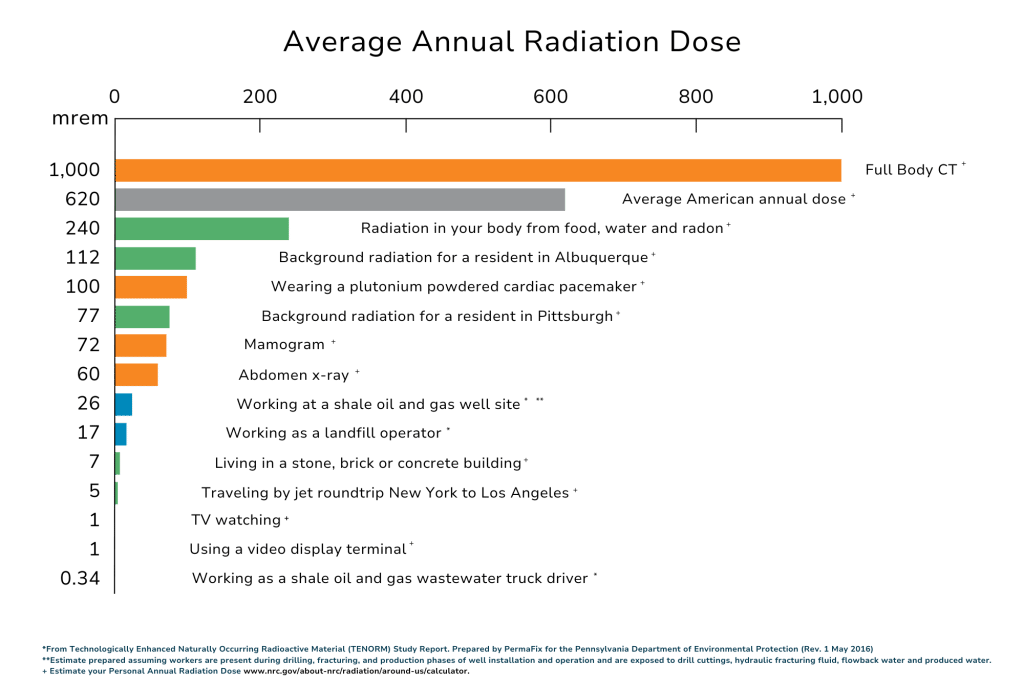
The graphic above provides a summary of estimates of the radiation dose associated with various activities. In any given setting, the actual doses are expected to vary somewhat from the estimates provided. Even so, we can assume that the annual radiation dose resulting from driving a shale oil and gas wastewater truck is likely to be less than 1 mrem, or less than one-tenth of the dose from a single abdomen x-ray. Similarly, the annual radiation exposure to workers at a shale oil and gas well site is expected to be less than 30 mrem, or about one-quarter of the expected annual dose experienced by a resident of Albuquerque.
Hey Carrie, what does CNX do to monitor and mitigate radiation risks?
This same study determined that NORM and TENORM materials associated with the oil and gas industry are well-managed and do not present a risk to the public. The scientific consensus is that there is “little potential for significant radiological exposure to workers and members of the general public related to E&P operations”2. Even so, CNX applies rigorous monitoring and mitigation measures to manage radiation risks effectively. Personnel receive specialized training in radiation protection, proper handling, and proper disposal of NORM and TENORM containing waste. These practices are guided by the CNX Comprehensive Radiation Protection Plan (CRPP), in conformance with 25 PA Code 293.111 requirements.
CNX’s CRPP (publicly available on CNX’s “Radiation Protection and Monitoring” webpage) provides guidance for radiological monitoring, safety protocols and procedures, and regulatory requirements for personnel working at CNX locations. It provides a practical approach to radiation hazard identification and mitigation.
The CRPP outlines CNX’s best‑practice approach to monitoring radiation, training workers, managing waste, and documenting and reviewing performance. This includes:
- Conducting routine radiation surveys of equipment, waste streams, and work areas using dose-rate and contamination meters.
- Training workers on radiation hazards, ALARA principles3, safe work practices, and “stop work” authority.
- Classifying, handling, and disposing of NORM/TENORM containing waste at appropriately permitted facilities under state and EPA regulations.
- Maintaining records, reporting any exceedances to regulators, and periodically auditing the program for continuous improvement.
We hope this helps answer common questions about radiation associated with gas operations and protection measures CNX has in place. Stay tuned for more information as CNX advances its Radical Transparency program and continues to share data and practices openly.
1 “Technologically enhanced” refers to a relative increase in radionuclide concentrations above background radiation levels as a result of changes when human activities alter the radiological, physical, and/or chemical properties of the radioactive material.
2 Pennsylvania Department of Environmental Protection. Technologically Enhanced Naturally Occurring Radioactive Materials (TENORM) Study Report. Rev. 1. Harrisburg, PA: Pennsylvania DEP, May 2016. https://www.pa.gov/agencies/dep/programs-and-services/oil-and-gas/related-topics/radiation-protection
3 ALARA stands for “as low as reasonably achievable.” Read more on “Guidelines for ALARA” from the U.S. Centers for Disease Control and Prevention at https://www.cdc.gov/radiation-health/safety/alara.html.
Read more from the Context Corner Series:
Understanding Radiation and Natural Gas Development
Understanding Radiation and Natural Gas Development
By Carrie Crumpton, CNX Vice President of Environmental Strategy
Hey Carrie, how is radiation associated with gas operations?
Much of the petroleum and natural gas developed in the United States was created by the decay of ancient sea life. Naturally occurring radionuclides, which are radioactive forms of elements, and their decay products are found in various natural formations, including shale rock and gas formations, because of the origin of these sedimentary rocks and their organic content. Gas reservoirs often contain detectable amounts of radionuclides like radium-226, radium-228, and lead-210, which occur naturally in the earth. These constituents, collectively known as Naturally Occurring Radioactive Material (NORM), can become what is referred to as Technologically Enhanced1 (TENORM) through human activities such as oil and gas production, mining, and water treatment.
Where can TENORM appear in gas operation activities?
Drilling Waste: Drill cuttings from formations with elevated radioactivity have the potential to convey TENORM back to the surface.
Produced Water: Heavy Brine (or saltwater) separated from the hydrocarbons contains dissolved radionuclides.
Scale and Sludge: Deposits of radium can accumulate forming detectable levels inside pipe, tanks, and equipment when produced water flows from the well through the system.
What is the typical radiation dose from exposure to typical NORM and TENORM sources?
Radiation dose is measured in millirem (mrem), which quantifies the amount of radiation absorbed by the body. According to the Nuclear Regulatory Commission (NRC), the average American receives a dose of about 620 mrem each year from a combination of natural and man-made sources of radiation. Radiation has always been around us as part of our natural environment – this includes cosmic radiation (from outer space), terrestrial radiation (from the ground), and even radiation from food, water, and the air we breathe.
The NRC Personal Annual Radiation Dose Calculator indicates the annual dose of radiation you are typically exposed to if you:
- have porcelain crowns or false teeth (0.07 mrem)
- wear an LCD wristwatch (0.006 mrem)
- use luggage inspection at airports (0.002 mrem)
- watch TV (1 mrem)
- use a video display computer terminal (1 mrem)
- have a smoke detector (0.008 mrem)
- wear a pacemaker (100 mrem)
- have a diagnostic x-ray (40 mrem)
- live within 50 miles of a coal-fired electrical utility plant (0.03 mrem)
For perspective, a dose of 1 mrem results in about 1.2 minutes of reduced life expectancy – this is similar to crossing the street three times, taking three puffs on a cigarette, or consuming 10 extra calories (for a person who is overweight).
When considering radiation doses from oil and gas operations, we can use the Technologically Enhanced Naturally Occurring Radioactive Materials (TENORM) Study by the PA Department of Environmental Protection to compare to other real-world doses, assuming workers are present during drilling, fracturing, and production phases of operations and are exposed to drill cuttings, hydraulic fracturing fluid, flowback water, and produced water.
The graphic above provides a summary of estimates of the radiation dose associated with various activities. In any given setting, the actual doses are expected to vary somewhat from the estimates provided. Even so, we can assume that the annual radiation dose resulting from driving a shale oil and gas wastewater truck is likely to be less than 1 mrem, or less than one-tenth of the dose from a single abdomen x-ray. Similarly, the annual radiation exposure to workers at a shale oil and gas well site is expected to be less than 30 mrem, or about one-quarter of the expected annual dose experienced by a resident of Albuquerque.
Hey Carrie, what does CNX do to monitor and mitigate radiation risks?
This same study determined that NORM and TENORM materials associated with the oil and gas industry are well-managed and do not present a risk to the public. The scientific consensus is that there is “little potential for significant radiological exposure to workers and members of the general public related to E&P operations”2. Even so, CNX applies rigorous monitoring and mitigation measures to manage radiation risks effectively. Personnel receive specialized training in radiation protection, proper handling, and proper disposal of NORM and TENORM containing waste. These practices are guided by the CNX Comprehensive Radiation Protection Plan (CRPP), in conformance with 25 PA Code 293.111 requirements.
CNX’s CRPP (publicly available on CNX’s “Radiation Protection and Monitoring” webpage) provides guidance for radiological monitoring, safety protocols and procedures, and regulatory requirements for personnel working at CNX locations. It provides a practical approach to radiation hazard identification and mitigation.
The CRPP outlines CNX’s best‑practice approach to monitoring radiation, training workers, managing waste, and documenting and reviewing performance. This includes:
- Conducting routine radiation surveys of equipment, waste streams, and work areas using dose-rate and contamination meters.
- Training workers on radiation hazards, ALARA principles3, safe work practices, and “stop work” authority.
- Classifying, handling, and disposing of NORM/TENORM containing waste at appropriately permitted facilities under state and EPA regulations.
- Maintaining records, reporting any exceedances to regulators, and periodically auditing the program for continuous improvement.
We hope this helps answer common questions about radiation associated with gas operations and protection measures CNX has in place. Stay tuned for more information as CNX advances its Radical Transparency program and continues to share data and practices openly.
1 “Technologically enhanced” refers to a relative increase in radionuclide concentrations above background radiation levels as a result of changes when human activities alter the radiological, physical, and/or chemical properties of the radioactive material.
2 Pennsylvania Department of Environmental Protection. Technologically Enhanced Naturally Occurring Radioactive Materials (TENORM) Study Report. Rev. 1. Harrisburg, PA: Pennsylvania DEP, May 2016. https://www.pa.gov/agencies/dep/programs-and-services/oil-and-gas/related-topics/radiation-protection
3 ALARA stands for “as low as reasonably achievable.” Read more on “Guidelines for ALARA” from the U.S. Centers for Disease Control and Prevention at https://www.cdc.gov/radiation-health/safety/alara.html.
Read more from the Context Corner Series:
CNX Resolves Defamation Lawsuit with Capital & Main
CNX Resolves Defamation Lawsuit with Capital & Main

By Positive Energy Hub Staff
CNX and Capital & Main met and discussed the claims in the lawsuit, and have agreed to resolve such claims and to dismiss the lawsuit with prejudice.
Editor’s Note from Capital & Main
Capital & Main has published an Editor’s Note addressing its September 24, 2024 article , “Pennsylvania Gas Driller: Our Operations Pose No Health Risk. You Can’t Be Serious, Activists Say.”
That Editor’s Note states “Capital & Main did not state, and did not intend to imply, that CNX fabricated any reported data in its Radical Transparency program. Further, Capital & Main did not state, and did not intend to imply, that CNX engaged in manipulation of the stock market or any improper attempts to influence its ratings or stock values. Capital & Main has no facts or basis to believe that any fabrication of data or market manipulation occurred.”
Commitment to Facts and Radical Transparency
CNX’s Radical Transparency program continues to provide independently gathered, real-time environmental data to regulators and the public, reinforcing that CNX’s responsible natural gas development poses no public health risk based on measured emissions.
CNX is committed to advancing and vigorously defending its Radical Transparency program.

CNX Resolves Defamation Lawsuit with Capital & Main
By Positive Energy Hub Staff
CNX and Capital & Main met and discussed the claims in the lawsuit, and have agreed to resolve such claims and to dismiss the lawsuit with prejudice.
Editor’s Note from Capital & Main
Capital & Main has published an Editor’s Note addressing its September 24, 2024 article , “Pennsylvania Gas Driller: Our Operations Pose No Health Risk. You Can’t Be Serious, Activists Say.”
That Editor’s Note states “Capital & Main did not state, and did not intend to imply, that CNX fabricated any reported data in its Radical Transparency program. Further, Capital & Main did not state, and did not intend to imply, that CNX engaged in manipulation of the stock market or any improper attempts to influence its ratings or stock values. Capital & Main has no facts or basis to believe that any fabrication of data or market manipulation occurred.”
Commitment to Facts and Radical Transparency
CNX’s Radical Transparency program continues to provide independently gathered, real-time environmental data to regulators and the public, reinforcing that CNX’s responsible natural gas development poses no public health risk based on measured emissions.
CNX is committed to advancing and vigorously defending its Radical Transparency program.
CNX Resolves Defamation Lawsuit with Capital & Main
Quality Data, Better Operations: CNX’s Austin Blake on Digital Transformation
Quality Data, Better Operations: CNX’s Austin Blake on Digital Transformation
By Positive Energy Hub Staff
CNX’s approach to quality data is more than a back-office metric—it is the engine that drives operational efficiency, excellence in execution, and long-term value for shareholders.
Across CNX’s footprint, the same disciplined approach to data that improves uptime and lowers emissions parallels the company’s industry-leading Radical Transparency program.
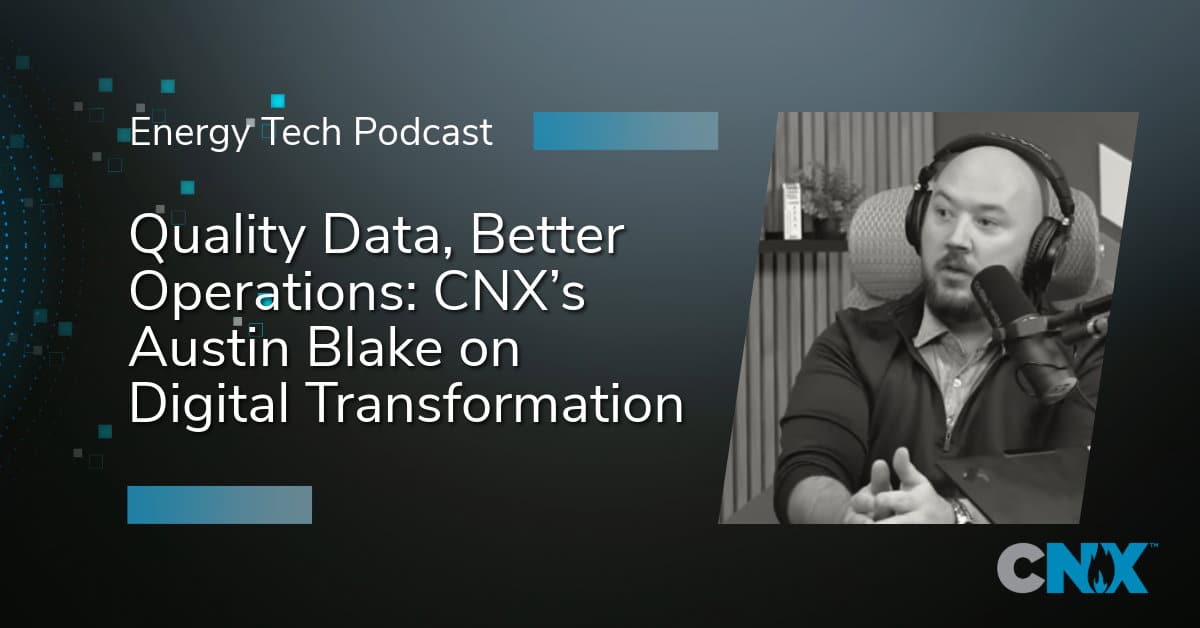
In the EnergyTech Podcast episode below, “The ROI of Clean Data: Unlocking Value Across Drilling, Completions & Midstream,” CNX Director of Data Austin Blake shares how CNX is transforming its data foundation.
Watch and listen as Austin explains how clean, consistent operational data enables better, faster decision-making.
CNX is rebuilding its data foundation from the wellhead up—transitioning from siloed, spreadsheet-based systems and toward governed, cloud-based architecture designed for clean, consistent, machine-learning-ready data.
Continuous Improvement
Internally, CNX uses high-frequency data monitoring and advanced analytics to spot trends, refine operating practices, and identify opportunities to cut emissions and improve reliability across the asset base.
Externally, transparent, verifiable data is at the core of the company’s environmental stewardship, including Radical Transparency—providing policymakers, communities, and investors a clear, evidence-based view of how responsible natural gas development performs against science-based air quality and emissions benchmarks.
“Radical” in Radical Transparency does not refer to rhetoric; it refers to radically higher standards for data integrity and accountability.
By investing in rigorous data collection, modern digital infrastructure, and practical machine learning at the edge of operations, CNX is building a model where operational excellence, environmental performance, and shareholder value are all grounded in the same uncompromising foundation: quality data that anyone can see and test for themselves.
🎙️ Discover more EnergyTech Podcast episodes on the show’s YouTube channel.
Quality Data, Better Operations: CNX’s Austin Blake on Digital Transformation
Quality Data, Better Operations: CNX’s Austin Blake on Digital Transformation
By Positive Energy Hub Staff
CNX’s approach to quality data is more than a back-office metric—it is the engine that drives operational efficiency, excellence in execution, and long-term value for shareholders.
Across CNX’s footprint, the same disciplined approach to data that improves uptime and lowers emissions parallels the company’s industry-leading Radical Transparency program.
In the EnergyTech Podcast episode below, “The ROI of Clean Data: Unlocking Value Across Drilling, Completions & Midstream,” CNX Director of Data Austin Blake shares how CNX is transforming its data foundation.
Watch and listen as Austin explains how clean, consistent operational data enables better, faster decision-making.
CNX is rebuilding its data foundation from the wellhead up—transitioning from siloed, spreadsheet-based systems and toward governed, cloud-based architecture designed for clean, consistent, machine-learning-ready data.
Continuous Improvement
Internally, CNX uses high-frequency data monitoring and advanced analytics to spot trends, refine operating practices, and identify opportunities to cut emissions and improve reliability across the asset base.
Externally, transparent, verifiable data is at the core of the company’s environmental stewardship, including Radical Transparency—providing policymakers, communities, and investors a clear, evidence-based view of how responsible natural gas development performs against science-based air quality and emissions benchmarks.
“Radical” in Radical Transparency does not refer to rhetoric; it refers to radically higher standards for data integrity and accountability.
By investing in rigorous data collection, modern digital infrastructure, and practical machine learning at the edge of operations, CNX is building a model where operational excellence, environmental performance, and shareholder value are all grounded in the same uncompromising foundation: quality data that anyone can see and test for themselves.
🎙️ Discover more EnergyTech Podcast episodes on the show’s YouTube channel.
CNX’s Season of Giving: Meeting Our Communities Where They Need Us Most
By Positive Energy Hub Staff
This year’s CNX Impact—its season of giving—expands on CNX’s year-round commitment to hyper-local, direct support that makes a tangible difference in the lives of dozens of families across the region where CNX employees live and work.
Understanding True Community Need
The power of CNX’s approach lies in its specificity and responsiveness. Rather than broad charitable campaigns, CNX prioritizes micro-TIL (tangible, impactful, local) investments that address the immediate, pressing needs of our neighbors. For example, when Armstrong County’s Helping All Victims In Need (HAVIN), a domestic violence shelter, shared a critical request on social media in November, CNX responded promptly.
Recognizing the shelter’s need for essential health and sanitation supplies, CNX mobilized to deliver hand sanitizer, tissues, paper towels, and disinfectant wipes to HAVIN’s Kittanning facility. But the impact extends beyond supplies. Alongside donations, CNX employees have taken on personal commitments to support two families connected with the shelter—a mother with three children and another family of the same size—through the holiday season, ensuring they experience the warmth of community care during a vulnerable time.
Additionally, the Domestic Violence Support Service Program (DVSSP) in Washington County partnered with CNX to support one mother and six children with holiday gifts. Domestic violence affects far too many families across Appalachia, and CNX is standing beside survivors during a season when isolation and hardship can be magnified.
Micro-TIL Support at the Individual Level
While CNX’s seasonal initiatives draw attention during the holidays, the company’s commitment to hyper-local individual support operates year-round, including over the past several weeks. Through careful collaboration with local partners and case managers, CNX identifies and responds to urgent, specific needs facing its neighbors in crisis.
Consider a situation in Greensburg that CNX discovered in November. A working father faced homelessness while fighting to reunite with his daughters. Despite maintaining employment, he struggled with mounting rent debt, accumulating utility bills, and transportation challenges that threatened his ability to get to work. Recognizing the interconnected nature of his barriers to stability, CNX is coordinating a comprehensive support plan: assisting with food security, utility bills, and his rent arrears, while working with organizations to chart a pathway toward family reunification. This wasn’t a one-time gift—it was a structured intervention designed to create lasting change.
Similarly, a mother of two young children recently faced displacement when unexpected circumstances left her without housing. With only 60 days to secure a new apartment, she faced an impossible choice: use her entire paycheck for a security deposit and first month’s rent, or provide a Christmas for her children. CNX similarly stepped in with coordinated support: a down payment contribution to secure her housing, food assistance to address immediate food insecurity, and holiday support for her children. By addressing multiple, interconnected challenges simultaneously, CNX is helping provide a pathway toward stability.
These two interventions underscore the need for a micro-TIL approach: to meet people where they are, identify the specific obstacles between them and stability, and deploying resources strategically to break cycles of crisis.
Expanding Support Across the CNX Footprint
The scope of this year’s season of giving demonstrates the interconnected nature of CNX’s community presence. Across its operational footprint, CNX and its employees are channeling resources to organizations addressing homelessness, child poverty, and family crisis support.
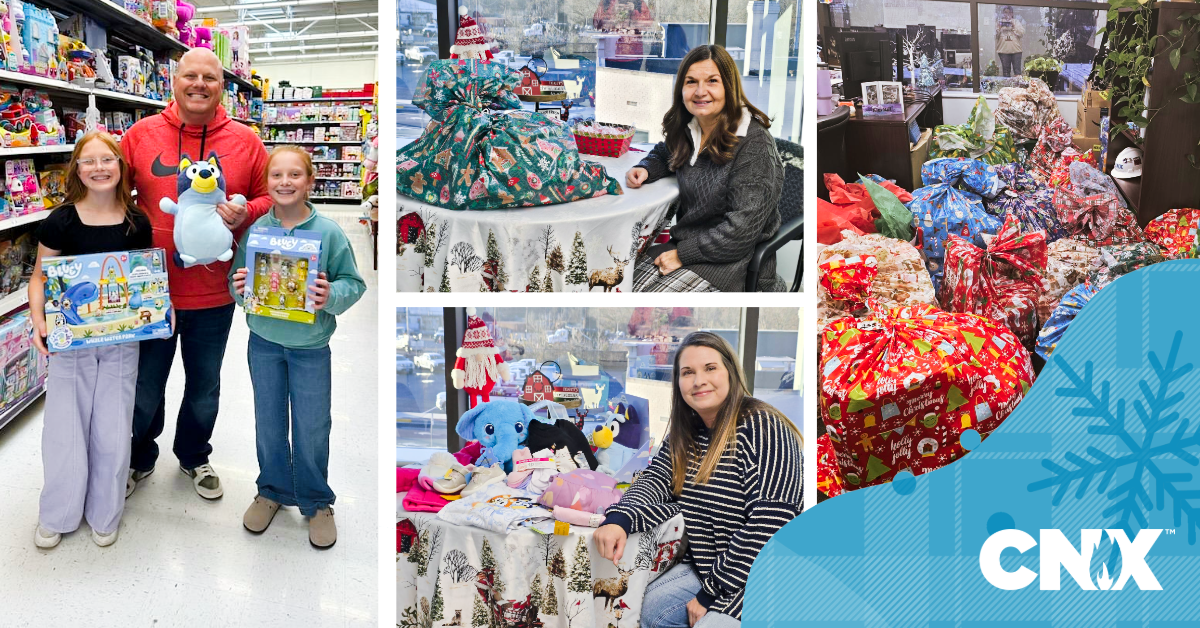
In Virginia, CNX employees are keeping a cherished holiday tradition alive by participating in the “Adopt a Star” program, shown below.
This year, the team came together to shop, donate time, and contribute funds to adopt 24 “Christmas Kids,” ensuring each child receives gifts and support for the holidays. It’s a tradition where the team consistently exceeds expectations, rallying together year after year to make the season brighter for local families.
In partnership with local organizations, CNX employees are ensuring that vulnerable youth have essentials as they navigate uncertain housing situations.
Outreached Arms received support just before Thanksgiving through backpack donations for children experiencing housing insecurity.
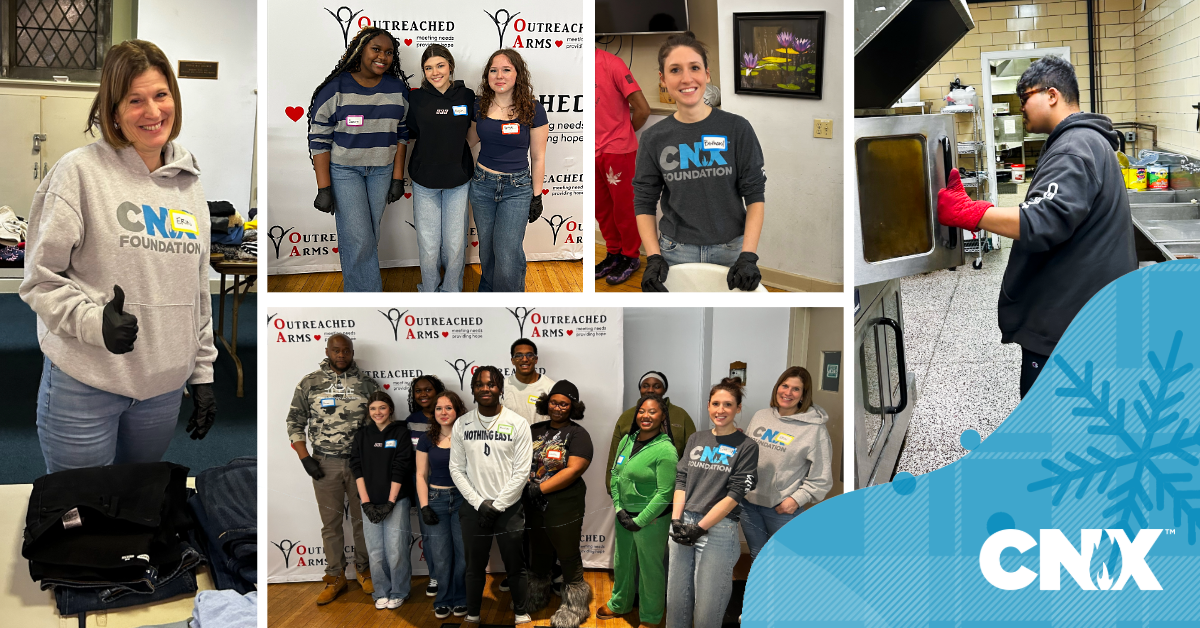
And more recently, shown below, students participating in this year’s Mentorship Academy program volunteered at Outreached Arms, assisting with meal preparation and service.
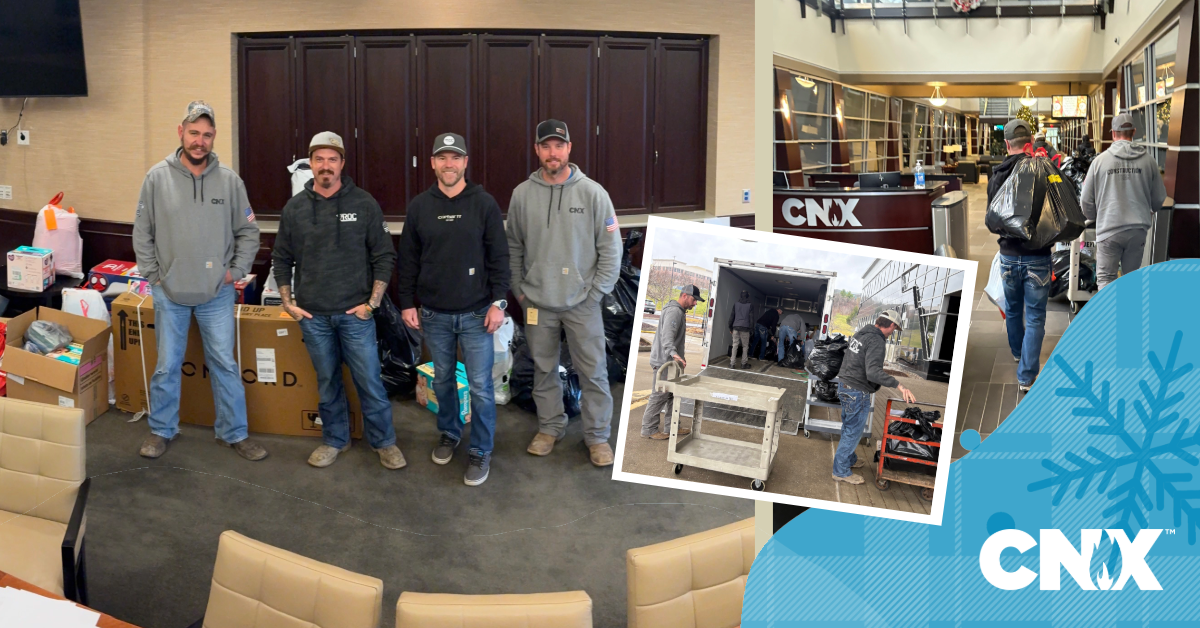
Armstrong Community Action serves families facing economic hardship across the county. CNX employees—alongside valued vendors like ROC and Pillar Innovation—adopted and provided gifts to 14 families representing 48 children this December.
On December 4th, CNX employees visited Washington City Mission for a day of hands-on support. Beyond providing holiday decorations, team members provided gifts to 147 individuals currently relying on the mission’s services. This direct, in-person support recognizes that the holidays can highlight loneliness and hardship for our most vulnerable neighbors.
Complementing this effort, CNX is partnering with Westmoreland Community Action to adopt another 42 families, providing gifts to 113 children—demonstrating the multiplier effect when corporate commitment meets employee passion.
Washington Dams Cleanup Initiative
As part of CNX’s commitment to environmental stewardship, CNX employees participated in a cleanup effort along the roadways of Washington Dams in North Franklin Township, Washington County, PA.
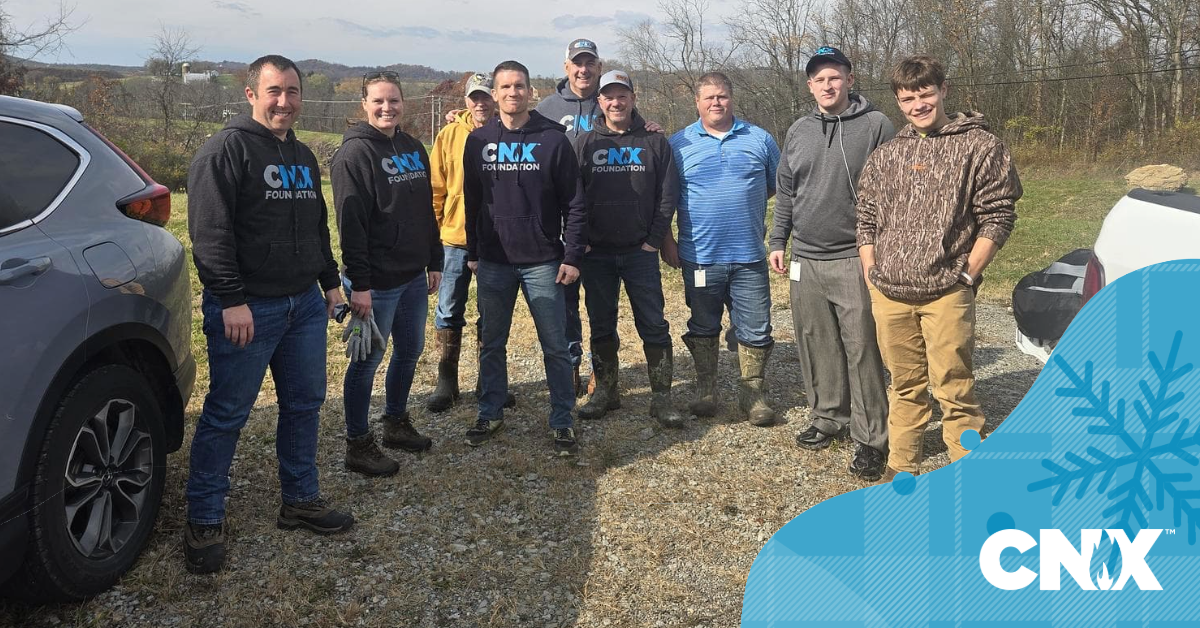
CNX volunteers collected 45 bags of garbage and 25 discarded tires, removing litter and waste that had accumulated throughout the area. The Washington Dams roadway cleanup shows how CNX’s seasonal giving initiatives extend beyond traditional charitable donations to include active participation in beautification and conservation projects that enhance the quality of life for residents across southwestern Pennsylvania.
Providing Comfort for the Community
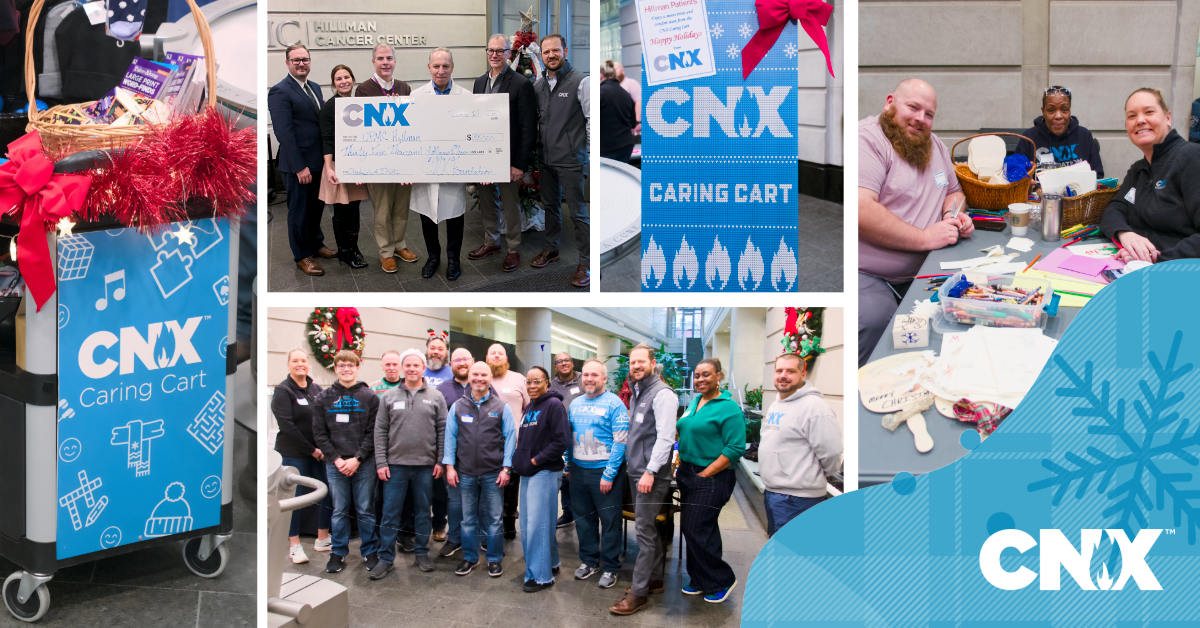
CNX recognizes that healing and wellness extend beyond medical treatment. On December 11th, the team returned to UPMC Hillman Shadyside to continue a cherished tradition: the “Caring Carts” distribution.
A cornerstone of the CNX Foundation’s partnership with UPMC Hillman since 2016, these carts are stocked with personal items designed to bring comfort and a moment of joy to patients undergoing treatment. Alongside these personal donations, CNX made a financial contribution to further support the vital work of the medical heroes who serve our region every day.
The following day, December 12th, a volunteer team headed to UPMC Hillman IRMC to provide lunch for the nursing staff—a tangible “thank you” for the tireless 24/7 care they provide to our community members year-round.
The Philosophy Behind the Action
CNX’s approach to giving reflects a deeper commitment: the belief that sustainable community strength comes from understanding and responding to hyperlocal needs. By partnering with established local organizations and empowering employees to give personally, CNX creates a multiplier effect that amplifies impact far beyond corporate donations alone.
CNX’s Season of Giving isn’t a one-time campaign—it’s a reflection of the company’s 160-year presence in Appalachia and the relationships that run deep in the communities it serves.
This November and December, across Appalachia and through partnerships with organizations on the frontlines of community need, CNX is demonstrating what it means to put Appalachia First—not in slogan alone, but in action, presence, and genuine care for the families who call our region home.
You may also like…
CNX’s Season of Giving: Meeting Our Communities Where They Need Us Most
CNX’s Season of Giving: Meeting Our Communities Where They Need Us Most
CNX's Season of Giving: Meeting Our Communities Where They Need Us Most
By Positive Energy Hub Staff
This year’s CNX Impact—its season of giving—expands on CNX’s year-round commitment to hyper-local, direct support that makes a tangible difference in the lives of dozens of families across the region where CNX employees live and work.
Understanding True Community Need
The power of CNX’s approach lies in its specificity and responsiveness. Rather than broad charitable campaigns, CNX prioritizes micro-TIL (tangible, impactful, local) investments that address the immediate, pressing needs of our neighbors. For example, when Armstrong County’s Helping All Victims In Need (HAVIN), a domestic violence shelter, shared a critical request on social media in November, CNX responded promptly.
Recognizing the shelter’s need for essential health and sanitation supplies, CNX mobilized to deliver hand sanitizer, tissues, paper towels, and disinfectant wipes to HAVIN’s Kittanning facility. But the impact extends beyond supplies. Alongside donations, CNX employees have taken on personal commitments to support two families connected with the shelter—a mother with three children and another family of the same size—through the holiday season, ensuring they experience the warmth of community care during a vulnerable time.
Additionally, the Domestic Violence Support Service Program (DVSSP) in Washington County partnered with CNX to support one mother and six children with holiday gifts. Domestic violence affects far too many families across Appalachia, and CNX is standing beside survivors during a season when isolation and hardship can be magnified.
Micro-TIL Support at the Individual Level
While CNX’s seasonal initiatives draw attention during the holidays, the company’s commitment to hyper-local individual support operates year-round, including over the past several weeks. Through careful collaboration with local partners and case managers, CNX identifies and responds to urgent, specific needs facing its neighbors in crisis.
Consider a situation in Greensburg that CNX discovered in November. A working father faced homelessness while fighting to reunite with his daughters. Despite maintaining employment, he struggled with mounting rent debt, accumulating utility bills, and transportation challenges that threatened his ability to get to work. Recognizing the interconnected nature of his barriers to stability, CNX is coordinating a comprehensive support plan: assisting with food security, utility bills, and his rent arrears, while working with organizations to chart a pathway toward family reunification. This wasn’t a one-time gift—it was a structured intervention designed to create lasting change.
Similarly, a mother of two young children recently faced displacement when unexpected circumstances left her without housing. With only 60 days to secure a new apartment, she faced an impossible choice: use her entire paycheck for a security deposit and first month’s rent, or provide a Christmas for her children. CNX similarly stepped in with coordinated support: a down payment contribution to secure her housing, food assistance to address immediate food insecurity, and holiday support for her children. By addressing multiple, interconnected challenges simultaneously, CNX is helping provide a pathway toward stability.
These two interventions underscore the need for a micro-TIL approach: to meet people where they are, identify the specific obstacles between them and stability, and deploying resources strategically to break cycles of crisis.
Expanding Support Across the CNX Footprint
The scope of this year’s season of giving demonstrates the interconnected nature of CNX’s community presence. Across its operational footprint, CNX and its employees are channeling resources to organizations addressing homelessness, child poverty, and family crisis support.
In Virginia, CNX employees are keeping a cherished holiday tradition alive by participating in the “Adopt a Star” program, shown below.
This year, the team came together to shop, donate time, and contribute funds to adopt 24 “Christmas Kids,” ensuring each child receives gifts and support for the holidays. It’s a tradition where the team consistently exceeds expectations, rallying together year after year to make the season brighter for local families.
In partnership with local organizations, CNX employees are ensuring that vulnerable youth have essentials as they navigate uncertain housing situations.
Outreached Arms received support just before Thanksgiving through backpack donations for children experiencing housing insecurity.
And more recently, shown below, students participating in this year’s Mentorship Academy program volunteered at Outreached Arms, assisting with meal preparation and service.
Armstrong Community Action serves families facing economic hardship across the county. CNX employees—alongside valued vendors like ROC and Pillar Innovation—adopted and provided gifts to 14 families representing 48 children this December.
On December 4th, CNX employees visited Washington City Mission for a day of hands-on support. Beyond providing holiday decorations, team members provided gifts to 147 individuals currently relying on the mission’s services. This direct, in-person support recognizes that the holidays can highlight loneliness and hardship for our most vulnerable neighbors.
Complementing this effort, CNX is partnering with Westmoreland Community Action to adopt another 42 families, providing gifts to 113 children—demonstrating the multiplier effect when corporate commitment meets employee passion.
Washington Dams Cleanup Initiative
As part of CNX’s commitment to environmental stewardship, CNX employees participated in a cleanup effort along the roadways of Washington Dams in North Franklin Township, Washington County, PA.
CNX volunteers collected 45 bags of garbage and 25 discarded tires, removing litter and waste that had accumulated throughout the area. The Washington Dams roadway cleanup shows how CNX’s seasonal giving initiatives extend beyond traditional charitable donations to include active participation in beautification and conservation projects that enhance the quality of life for residents across southwestern Pennsylvania.
Providing Comfort for the Community
CNX recognizes that healing and wellness extend beyond medical treatment. On December 11th, the team returned to UPMC Hillman Shadyside to continue a cherished tradition: the “Caring Carts” distribution.
A cornerstone of the CNX Foundation’s partnership with UPMC Hillman since 2016, these carts are stocked with personal items designed to bring comfort and a moment of joy to patients undergoing treatment. Alongside these personal donations, CNX made a financial contribution to further support the vital work of the medical heroes who serve our region every day.
The following day, December 12th, a volunteer team headed to UPMC Hillman IRMC to provide lunch for the nursing staff—a tangible “thank you” for the tireless 24/7 care they provide to our community members year-round.
The Philosophy Behind the Action
CNX’s approach to giving reflects a deeper commitment: the belief that sustainable community strength comes from understanding and responding to hyperlocal needs. By partnering with established local organizations and empowering employees to give personally, CNX creates a multiplier effect that amplifies impact far beyond corporate donations alone.
CNX’s Season of Giving isn’t a one-time campaign—it’s a reflection of the company’s 160-year presence in Appalachia and the relationships that run deep in the communities it serves.
This November and December, across Appalachia and through partnerships with organizations on the frontlines of community need, CNX is demonstrating what it means to put Appalachia First—not in slogan alone, but in action, presence, and genuine care for the families who call our region home.
You may also like…
CNX’s Season of Giving: Meeting Our Communities Where They Need Us Most
By Positive Energy Hub Staff
This year’s CNX Impact—its season of giving—expands on CNX’s year-round commitment to hyper-local, direct support that makes a tangible difference in the lives of dozens of families across the region where CNX employees live and work.
Understanding True Community Need
The power of CNX’s approach lies in its specificity and responsiveness. Rather than broad charitable campaigns, CNX prioritizes micro-TIL (tangible, impactful, local) investments that address the immediate, pressing needs of our neighbors. For example, when Armstrong County’s Helping All Victims In Need (HAVIN), a domestic violence shelter, shared a critical request on social media in November, CNX responded promptly.
Recognizing the shelter’s need for essential health and sanitation supplies, CNX mobilized to deliver hand sanitizer, tissues, paper towels, and disinfectant wipes to HAVIN’s Kittanning facility. But the impact extends beyond supplies. Alongside donations, CNX employees have taken on personal commitments to support two families connected with the shelter—a mother with three children and another family of the same size—through the holiday season, ensuring they experience the warmth of community care during a vulnerable time.
Additionally, the Domestic Violence Support Service Program (DVSSP) in Washington County partnered with CNX to support one mother and six children with holiday gifts. Domestic violence affects far too many families across Appalachia, and CNX is standing beside survivors during a season when isolation and hardship can be magnified.
Micro-TIL Support at the Individual Level
While CNX’s seasonal initiatives draw attention during the holidays, the company’s commitment to hyper-local individual support operates year-round, including over the past several weeks. Through careful collaboration with local partners and case managers, CNX identifies and responds to urgent, specific needs facing its neighbors in crisis.
Consider a situation in Greensburg that CNX discovered in November. A working father faced homelessness while fighting to reunite with his daughters. Despite maintaining employment, he struggled with mounting rent debt, accumulating utility bills, and transportation challenges that threatened his ability to get to work. Recognizing the interconnected nature of his barriers to stability, CNX is coordinating a comprehensive support plan: assisting with food security, utility bills, and his rent arrears, while working with organizations to chart a pathway toward family reunification. This wasn’t a one-time gift—it was a structured intervention designed to create lasting change.
Similarly, a mother of two young children recently faced displacement when unexpected circumstances left her without housing. With only 60 days to secure a new apartment, she faced an impossible choice: use her entire paycheck for a security deposit and first month’s rent, or provide a Christmas for her children. CNX similarly stepped in with coordinated support: a down payment contribution to secure her housing, food assistance to address immediate food insecurity, and holiday support for her children. By addressing multiple, interconnected challenges simultaneously, CNX is helping provide a pathway toward stability.
These two interventions underscore the need for a micro-TIL approach: to meet people where they are, identify the specific obstacles between them and stability, and deploying resources strategically to break cycles of crisis.
Expanding Support Across the CNX Footprint
The scope of this year’s season of giving demonstrates the interconnected nature of CNX’s community presence. Across its operational footprint, CNX and its employees are channeling resources to organizations addressing homelessness, child poverty, and family crisis support.
In Virginia, CNX employees are keeping a cherished holiday tradition alive by participating in the “Adopt a Star” program, shown below.
This year, the team came together to shop, donate time, and contribute funds to adopt 24 “Christmas Kids,” ensuring each child receives gifts and support for the holidays. It’s a tradition where the team consistently exceeds expectations, rallying together year after year to make the season brighter for local families.
In partnership with local organizations, CNX employees are ensuring that vulnerable youth have essentials as they navigate uncertain housing situations.
Outreached Arms received support just before Thanksgiving through backpack donations for children experiencing housing insecurity.
And more recently, shown below, students participating in this year’s Mentorship Academy program volunteered at Outreached Arms, assisting with meal preparation and service.
Armstrong Community Action serves families facing economic hardship across the county. CNX employees—alongside valued vendors like ROC and Pillar Innovation—adopted and provided gifts to 14 families representing 48 children this December.
On December 4th, CNX employees visited Washington City Mission for a day of hands-on support. Beyond providing holiday decorations, team members provided gifts to 147 individuals currently relying on the mission’s services. This direct, in-person support recognizes that the holidays can highlight loneliness and hardship for our most vulnerable neighbors.
Complementing this effort, CNX is partnering with Westmoreland Community Action to adopt another 42 families, providing gifts to 113 children—demonstrating the multiplier effect when corporate commitment meets employee passion.
Washington Dams Cleanup Initiative
As part of CNX’s commitment to environmental stewardship, CNX employees participated in a cleanup effort along the roadways of Washington Dams in North Franklin Township, Washington County, PA.
CNX volunteers collected 45 bags of garbage and 25 discarded tires, removing litter and waste that had accumulated throughout the area. The Washington Dams roadway cleanup shows how CNX’s seasonal giving initiatives extend beyond traditional charitable donations to include active participation in beautification and conservation projects that enhance the quality of life for residents across southwestern Pennsylvania.
Providing Comfort for the Community
CNX recognizes that healing and wellness extend beyond medical treatment. On December 11th, the team returned to UPMC Hillman Shadyside to continue a cherished tradition: the “Caring Carts” distribution.
A cornerstone of the CNX Foundation’s partnership with UPMC Hillman since 2016, these carts are stocked with personal items designed to bring comfort and a moment of joy to patients undergoing treatment. Alongside these personal donations, CNX made a financial contribution to further support the vital work of the medical heroes who serve our region every day.
The following day, December 12th, a volunteer team headed to UPMC Hillman IRMC to provide lunch for the nursing staff—a tangible “thank you” for the tireless 24/7 care they provide to our community members year-round.
The Philosophy Behind the Action
CNX’s approach to giving reflects a deeper commitment: the belief that sustainable community strength comes from understanding and responding to hyperlocal needs. By partnering with established local organizations and empowering employees to give personally, CNX creates a multiplier effect that amplifies impact far beyond corporate donations alone.
CNX’s Season of Giving isn’t a one-time campaign—it’s a reflection of the company’s 160-year presence in Appalachia and the relationships that run deep in the communities it serves.
This November and December, across Appalachia and through partnerships with organizations on the frontlines of community need, CNX is demonstrating what it means to put Appalachia First—not in slogan alone, but in action, presence, and genuine care for the families who call our region home.
You may also like…
CNX’s Season of Giving: Meeting Our Communities Where They Need Us Most
By Positive Energy Hub Staff
This year’s CNX Impact—its season of giving—expands on CNX’s year-round commitment to hyper-local, direct support that makes a tangible difference in the lives of dozens of families across the region where CNX employees live and work.
Understanding True Community Need
The power of CNX’s approach lies in its specificity and responsiveness. Rather than broad charitable campaigns, CNX prioritizes micro-TIL (tangible, impactful, local) investments that address the immediate, pressing needs of our neighbors. For example, when Armstrong County’s Helping All Victims In Need (HAVIN), a domestic violence shelter, shared a critical request on social media in November, CNX responded promptly.
Recognizing the shelter’s need for essential health and sanitation supplies, CNX mobilized to deliver hand sanitizer, tissues, paper towels, and disinfectant wipes to HAVIN’s Kittanning facility. But the impact extends beyond supplies. Alongside donations, CNX employees have taken on personal commitments to support two families connected with the shelter—a mother with three children and another family of the same size—through the holiday season, ensuring they experience the warmth of community care during a vulnerable time.
Additionally, the Domestic Violence Support Service Program (DVSSP) in Washington County partnered with CNX to support one mother and six children with holiday gifts. Domestic violence affects far too many families across Appalachia, and CNX is standing beside survivors during a season when isolation and hardship can be magnified.
Micro-TIL Support at the Individual Level
While CNX’s seasonal initiatives draw attention during the holidays, the company’s commitment to hyper-local individual support operates year-round, including over the past several weeks. Through careful collaboration with local partners and case managers, CNX identifies and responds to urgent, specific needs facing its neighbors in crisis.
Consider a situation in Greensburg that CNX discovered in November. A working father faced homelessness while fighting to reunite with his daughters. Despite maintaining employment, he struggled with mounting rent debt, accumulating utility bills, and transportation challenges that threatened his ability to get to work. Recognizing the interconnected nature of his barriers to stability, CNX is coordinating a comprehensive support plan: assisting with food security, utility bills, and his rent arrears, while working with organizations to chart a pathway toward family reunification. This wasn’t a one-time gift—it was a structured intervention designed to create lasting change.
Similarly, a mother of two young children recently faced displacement when unexpected circumstances left her without housing. With only 60 days to secure a new apartment, she faced an impossible choice: use her entire paycheck for a security deposit and first month’s rent, or provide a Christmas for her children. CNX similarly stepped in with coordinated support: a down payment contribution to secure her housing, food assistance to address immediate food insecurity, and holiday support for her children. By addressing multiple, interconnected challenges simultaneously, CNX is helping provide a pathway toward stability.
These two interventions underscore the need for a micro-TIL approach: to meet people where they are, identify the specific obstacles between them and stability, and deploying resources strategically to break cycles of crisis.
Expanding Support Across the CNX Footprint
The scope of this year’s season of giving demonstrates the interconnected nature of CNX’s community presence. Across its operational footprint, CNX and its employees are channeling resources to organizations addressing homelessness, child poverty, and family crisis support.
In Virginia, CNX employees are keeping a cherished holiday tradition alive by participating in the “Adopt a Star” program, shown below.
This year, the team came together to shop, donate time, and contribute funds to adopt 24 “Christmas Kids,” ensuring each child receives gifts and support for the holidays. It’s a tradition where the team consistently exceeds expectations, rallying together year after year to make the season brighter for local families.
In partnership with local organizations, CNX employees are ensuring that vulnerable youth have essentials as they navigate uncertain housing situations.
Outreached Arms received support just before Thanksgiving through backpack donations for children experiencing housing insecurity.
And more recently, shown below, students participating in this year’s Mentorship Academy program volunteered at Outreached Arms, assisting with meal preparation and service.
Armstrong Community Action serves families facing economic hardship across the county. CNX employees—alongside valued vendors like ROC and Pillar Innovation—adopted and provided gifts to 14 families representing 48 children this December.
On December 4th, CNX employees visited Washington City Mission for a day of hands-on support. Beyond providing holiday decorations, team members provided gifts to 147 individuals currently relying on the mission’s services. This direct, in-person support recognizes that the holidays can highlight loneliness and hardship for our most vulnerable neighbors.
Complementing this effort, CNX is partnering with Westmoreland Community Action to adopt another 42 families, providing gifts to 113 children—demonstrating the multiplier effect when corporate commitment meets employee passion.
Washington Dams Cleanup Initiative
As part of CNX’s commitment to environmental stewardship, CNX employees participated in a cleanup effort along the roadways of Washington Dams in North Franklin Township, Washington County, PA.
CNX volunteers collected 45 bags of garbage and 25 discarded tires, removing litter and waste that had accumulated throughout the area. The Washington Dams roadway cleanup shows how CNX’s seasonal giving initiatives extend beyond traditional charitable donations to include active participation in beautification and conservation projects that enhance the quality of life for residents across southwestern Pennsylvania.
Providing Comfort for the Community
CNX recognizes that healing and wellness extend beyond medical treatment. On December 11th, the team returned to UPMC Hillman Shadyside to continue a cherished tradition: the “Caring Carts” distribution.
A cornerstone of the CNX Foundation’s partnership with UPMC Hillman since 2016, these carts are stocked with personal items designed to bring comfort and a moment of joy to patients undergoing treatment. Alongside these personal donations, CNX made a financial contribution to further support the vital work of the medical heroes who serve our region every day.
The following day, December 12th, a volunteer team headed to UPMC Hillman IRMC to provide lunch for the nursing staff—a tangible “thank you” for the tireless 24/7 care they provide to our community members year-round.
The Philosophy Behind the Action
CNX’s approach to giving reflects a deeper commitment: the belief that sustainable community strength comes from understanding and responding to hyperlocal needs. By partnering with established local organizations and empowering employees to give personally, CNX creates a multiplier effect that amplifies impact far beyond corporate donations alone.
CNX’s Season of Giving isn’t a one-time campaign—it’s a reflection of the company’s 160-year presence in Appalachia and the relationships that run deep in the communities it serves.
This November and December, across Appalachia and through partnerships with organizations on the frontlines of community need, CNX is demonstrating what it means to put Appalachia First—not in slogan alone, but in action, presence, and genuine care for the families who call our region home.
You may also like…
CNX’s Radical Transparency Data Calls Stricter Natural Gas Setbacks Into Question
CNX’s Radical Transparency Data Calls Stricter Natural Gas Setbacks Into Question
By Positive Energy Hub Staff
CNX Resources has submitted a formal letter to the Pennsylvania Environmental Quality Board urging the board to consider two years of independently collected environmental data before endorsing proposed expansions to natural gas well setback distances.
In its letter to Environmental Quality Board Chair Jessica Shirley, CNX highlights findings from its Radical Transparency program—an unprecedented environmental monitoring initiative launched in November 2023 in collaboration with Governor Josh Shapiro and the Pennsylvania Department of Environmental Protection.
Nearly 800,000 Data Points Show No Health Impacts
Since its inception, the Radical Transparency program has collected nearly 800,000 data points from 18 monitoring sites across CNX’s operational footprint, including well pads and midstream facilities. The program represents the country’s most comprehensive real-time environmental monitoring effort focused on unconventional natural gas development.
The program monitors PM2.5 particulate matter and BTEX compounds (benzene, toluene, ethylbenzene, xylene)—pollutants associated with respiratory illness and cancer—using EPA-approved Federal Equivalent Methods. Each well pad site includes two PM2.5 monitors, four BTEX passive samplers, and meteorological equipment to track wind direction and other conditions.
Key findings from two years of monitoring include:
- No exceedances of EPA National Ambient Air Quality Standards for PM2.5
- BTEX levels consistently at background concentrations, never exceeding Agency for Toxic Substances and Disease Registry thresholds
- No evidence of emissions or contamination that would exacerbate asthma, cause cancer, or impact groundwater quality
Pennsylvania Already Has the Nation’s Strictest Setbacks
Pennsylvania currently enforces the strictest setback distances among the top five natural gas-producing states, requiring 500 feet from water wells and existing buildings, 300 feet from streams and wetlands, and 1,000 feet from public drinking water intakes.
“Radical Transparency data, compiled over two years and approaching one million points, does not support further expansion of these setbacks,” writes CNX. “Instead, it supports a data-driven regulatory approach that balances public health protection with responsible energy development.”
The letter was submitted as the Environmental Quality Board considers an amended rulemaking petition from environmental groups seeking setbacks of 3,281 feet from buildings and 5,280 feet from schools and hospitals—more than six times current requirements.
Facts Over Speculation
CNX urges policymakers to base regulations on actual measured data—not speculation or assumptions lacking scientific validation.
Expanding setbacks as proposed, “would eliminate responsible natural gas development opportunities and undermine Pennsylvania’s energy leadership, jeopardizing thousands of jobs and regional economic growth,” explains CNX.
All Radical Transparency data is publicly available at http://www.cnxradicaltransparency.com/ and simultaneously shared with DEP to ensure transparency and integrity. The program includes water quality testing within 2,500 feet of well bores and full disclosure of all chemical additives used in drilling and hydraulic fracturing.
“This program demonstrates that environmental protection and energy development can coexist, and it offers a replicable model for transparent, science-based oversight,” concludes CNX.
For more information about CNX’s Radical Transparency program, visit www.cnxradicaltransparency.com.
CNX’s Radical Transparency Data Calls Stricter Natural Gas Setbacks Into Question
CNX's Radical Transparency Data Calls Stricter Natural Gas Setbacks Into Question
By Positive Energy Hub Staff
CNX Resources has submitted a formal letter to the Pennsylvania Environmental Quality Board urging the board to consider two years of independently collected environmental data before endorsing proposed expansions to natural gas well setback distances.
In its letter to Environmental Quality Board Chair Jessica Shirley, CNX highlights findings from its Radical Transparency program—an unprecedented environmental monitoring initiative launched in November 2023 in collaboration with Governor Josh Shapiro and the Pennsylvania Department of Environmental Protection.
Nearly 800,000 Data Points Show No Health Impacts
Since its inception, the Radical Transparency program has collected nearly 800,000 data points from 18 monitoring sites across CNX’s operational footprint, including well pads and midstream facilities. The program represents the country’s most comprehensive real-time environmental monitoring effort focused on unconventional natural gas development.
The program monitors PM2.5 particulate matter and BTEX compounds (benzene, toluene, ethylbenzene, xylene)—pollutants associated with respiratory illness and cancer—using EPA-approved Federal Equivalent Methods. Each well pad site includes two PM2.5 monitors, four BTEX passive samplers, and meteorological equipment to track wind direction and other conditions.
Key findings from two years of monitoring include:
- No exceedances of EPA National Ambient Air Quality Standards for PM2.5
- BTEX levels consistently at background concentrations, never exceeding Agency for Toxic Substances and Disease Registry thresholds
- No evidence of emissions or contamination that would exacerbate asthma, cause cancer, or impact groundwater quality
Pennsylvania Already Has the Nation’s Strictest Setbacks
Pennsylvania currently enforces the strictest setback distances among the top five natural gas-producing states, requiring 500 feet from water wells and existing buildings, 300 feet from streams and wetlands, and 1,000 feet from public drinking water intakes.
“Radical Transparency data, compiled over two years and approaching one million points, does not support further expansion of these setbacks,” writes CNX. “Instead, it supports a data-driven regulatory approach that balances public health protection with responsible energy development.”
The letter was submitted as the Environmental Quality Board considers an amended rulemaking petition from environmental groups seeking setbacks of 3,281 feet from buildings and 5,280 feet from schools and hospitals—more than six times current requirements.
Facts Over Speculation
CNX urges policymakers to base regulations on actual measured data—not speculation or assumptions lacking scientific validation.
Expanding setbacks as proposed, “would eliminate responsible natural gas development opportunities and undermine Pennsylvania’s energy leadership, jeopardizing thousands of jobs and regional economic growth,” explains CNX.
All Radical Transparency data is publicly available at http://www.cnxradicaltransparency.com/ and simultaneously shared with DEP to ensure transparency and integrity. The program includes water quality testing within 2,500 feet of well bores and full disclosure of all chemical additives used in drilling and hydraulic fracturing.
“This program demonstrates that environmental protection and energy development can coexist, and it offers a replicable model for transparent, science-based oversight,” concludes CNX.
For more information about CNX’s Radical Transparency program, visit www.cnxradicaltransparency.com.
CNX Mentorship Academy Students Discover Career Opportunities at Dura-Bond Pipe
By Positive Energy Hub Staff
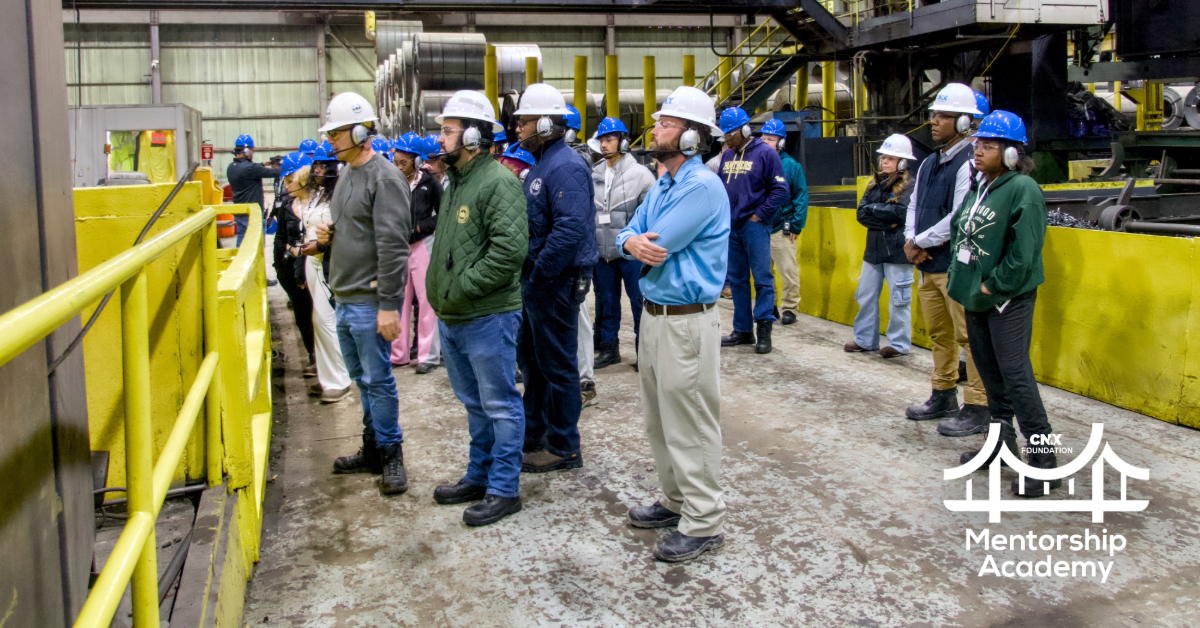
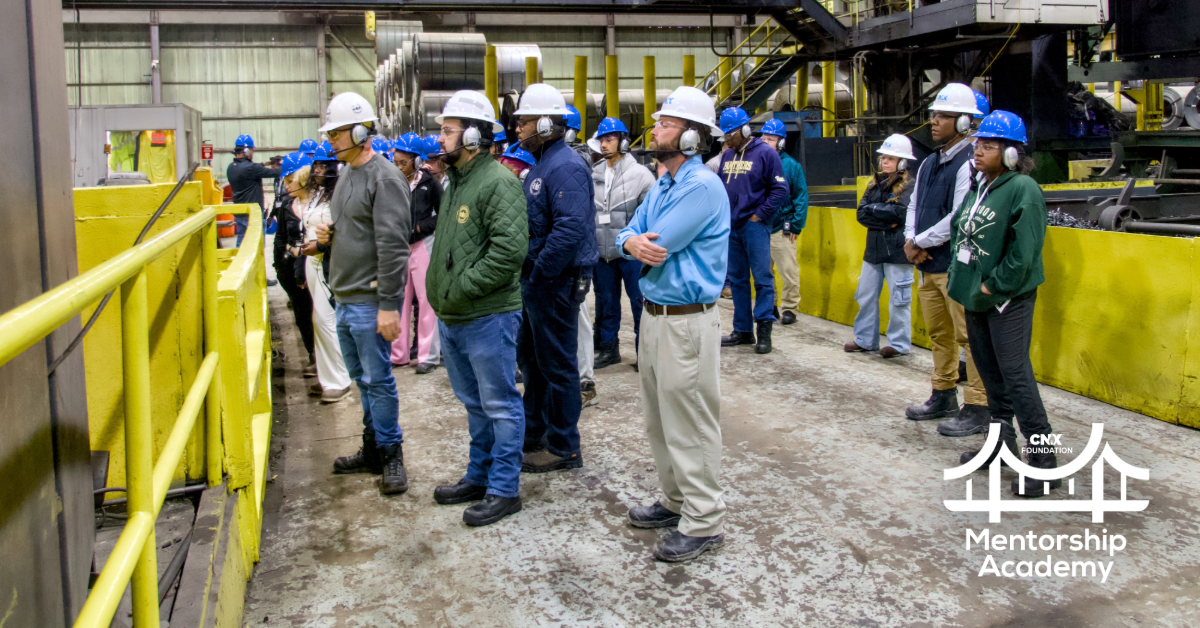
This fall, CNX Mentorship Academy students visited Dura-Bond Pipe’s McKeesport facility for demonstrations and hands-on exposure to the rewarding careers available in energy and manufacturing in southwest Pennsylvania.
The visit brought together industry leaders, elected officials, and mentors who shared a common vision: connecting Appalachia’s next generation with the good-paying, family-sustaining jobs that are the bedrock of our communities.
A Partnership Built on Shared Values
CNX is grateful to Dura-Bond Pipe for opening their doors and exemplifying the kind of partnership that has grown the Mentorship Academy to what it is today.
Additionally, CNX thanks the elected leaders who attended.
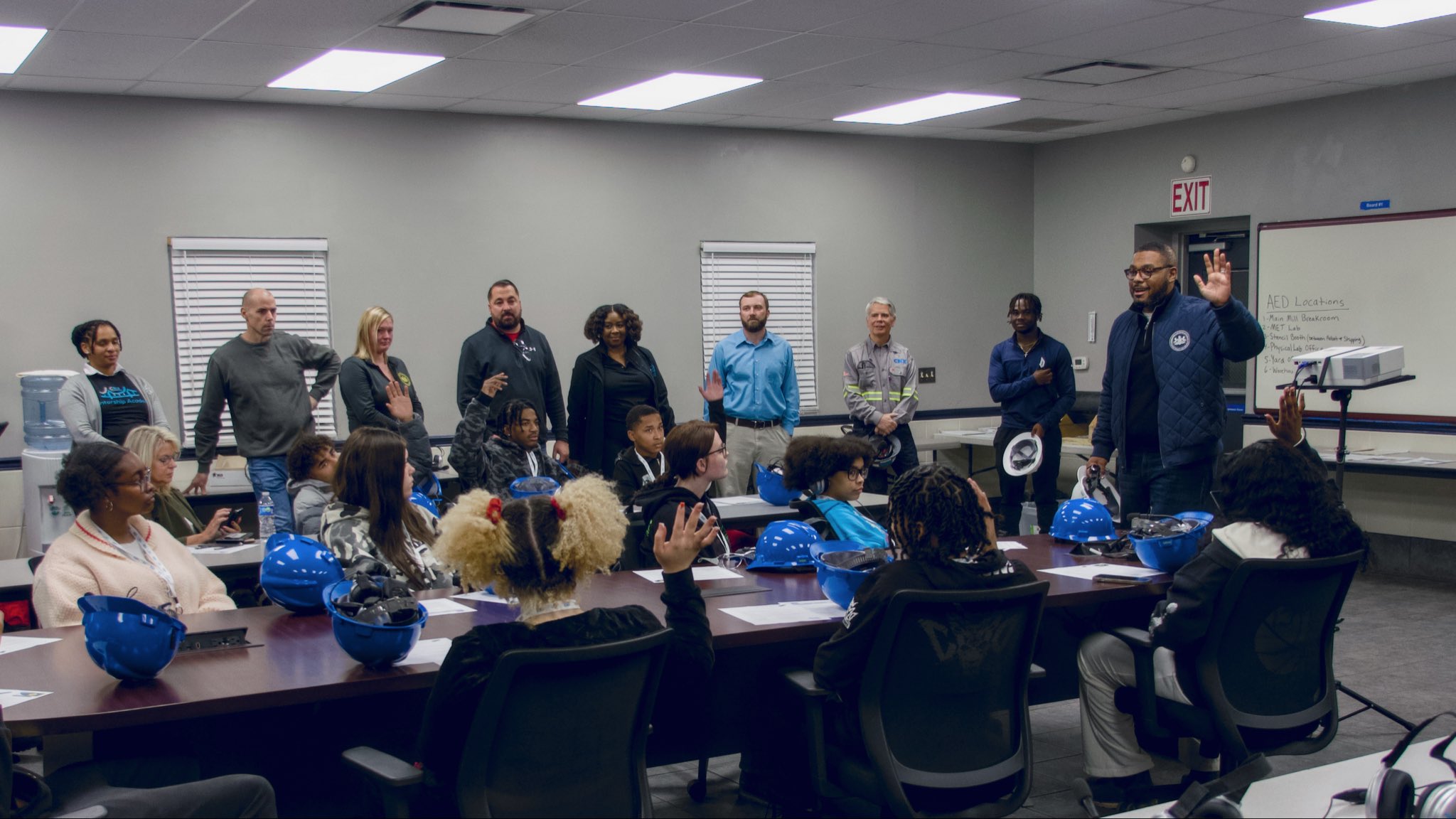
Lieutenant Governor Austin Davis on Twitter / X
In my home town of McKeesport, students are seeing new opportunities to expand their skills, get career advice, and connect with future employers. With targeted state investments, programs like these are growing in Pennsylvania, giving our students and young adults the chance… pic.twitter.com/tl0j0pPiRK— Lieutenant Governor Austin Davis (@LGAustinDavis) October 24, 2025

Lt. Governor Austin Davis, State Senator Nick Pisciottano, Representative Dan Goughnour, and Representative John Inglis brought not just their presence, but their advocacy and support for these vital career pathways.
When business leaders and public officials stand together, they send a powerful message to students: your future is here, and your community believes in you.
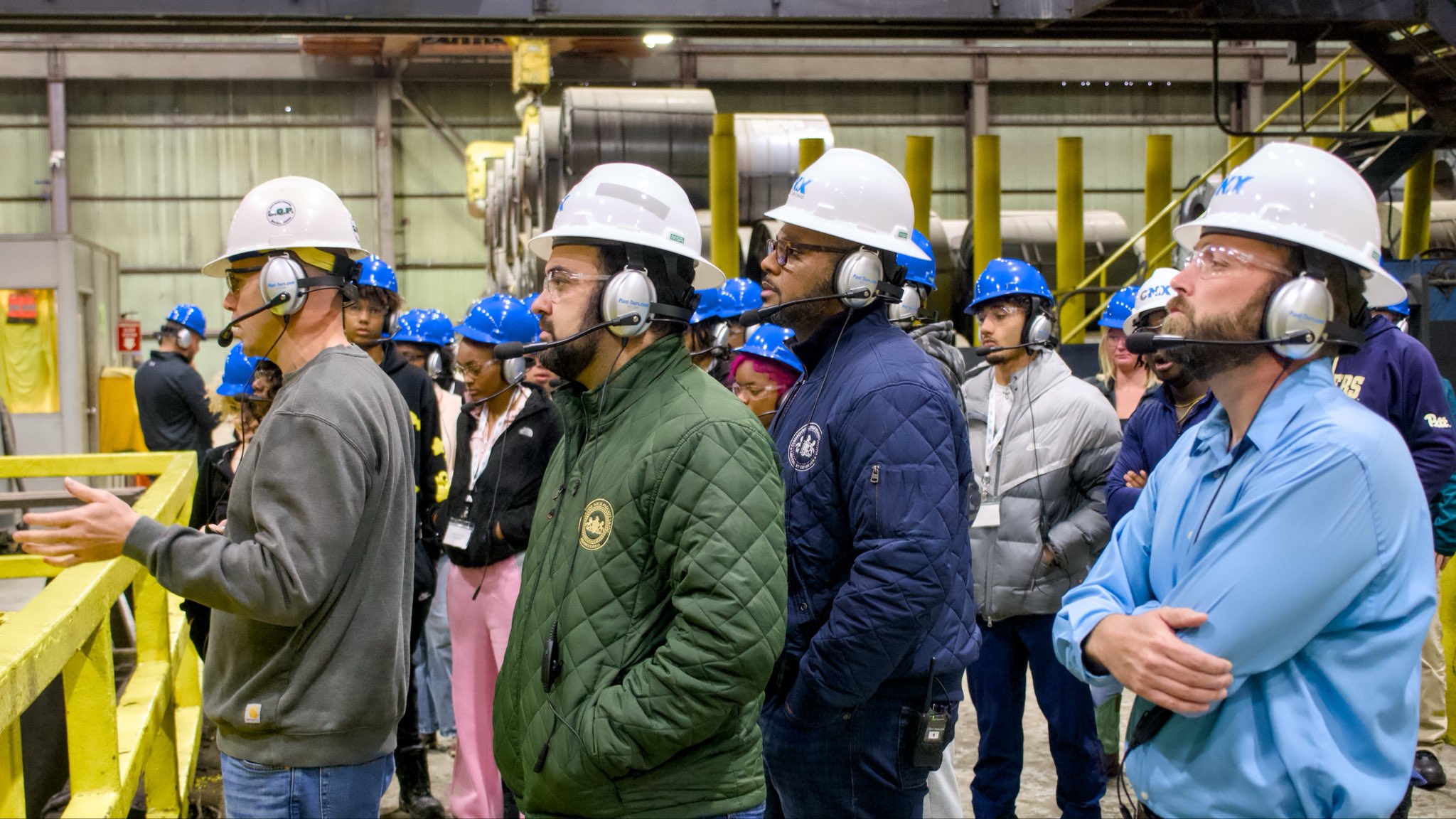
Senator Nick Pisciottano on Twitter / X
Last week I participated in @CNXTweets’s Mentorship Academy Day with @LGAustinDavis, @RepGoughnour & @RepInglis at Dura-Bond Pipe in McKeesport. The Academy exposes students to good energy & manufacturing careers in our region – most of which do not require a college degree. pic.twitter.com/FY6isiEbtN— Senator Nick Pisciottano (@SenPisciottano) October 28, 2025

Inspiration Through Real-World Experience
For many of students, this was their first opportunity to see a manufacturing facility in action—to meet the people doing the work, understand the skills required, and imagine themselves in these roles. That’s the power of the Mentorship Academy. It transforms abstract careers into concrete realities.
The students left Dura-Bond energized by what they’d learned and inspired by the prospects ahead. More importantly, they left knowing that their region is investing in them.
Investing in Our Future
Partnerships like this with Dura-Bond, combined with the commitment of elected officials like those who attended, are a reminder of why the Mentorship Academy matters so much. The Academy is not just introducing students to jobs—it’s building a pathway to prosperity that keeps talent, energy, and opportunity right here in Appalachia.
This is what Appalachia First looks like in action.
You may also like…

CNX Mentorship Academy Students Discover Career Opportunities at Dura-Bond Pipe
CNX Mentorship Academy Students Discover Career Opportunities at Dura-Bond Pipe
By Positive Energy Hub Staff
This fall, CNX Mentorship Academy students visited Dura-Bond Pipe’s McKeesport facility for demonstrations and hands-on exposure to the rewarding careers available in energy and manufacturing in southwest Pennsylvania.
The visit brought together industry leaders, elected officials, and mentors who shared a common vision: connecting Appalachia’s next generation with the good-paying, family-sustaining jobs that are the bedrock of our communities.
A Partnership Built on Shared Values
CNX is grateful to Dura-Bond Pipe for opening their doors and exemplifying the kind of partnership that has grown the Mentorship Academy to what it is today.
Additionally, CNX thanks the elected leaders who attended.
Lieutenant Governor Austin Davis on Twitter / X
In my home town of McKeesport, students are seeing new opportunities to expand their skills, get career advice, and connect with future employers. With targeted state investments, programs like these are growing in Pennsylvania, giving our students and young adults the chance… pic.twitter.com/tl0j0pPiRK— Lieutenant Governor Austin Davis (@LGAustinDavis) October 24, 2025
Lt. Governor Austin Davis, State Senator Nick Pisciottano, Representative Dan Goughnour, and Representative John Inglis brought not just their presence, but their advocacy and support for these vital career pathways.
When business leaders and public officials stand together, they send a powerful message to students: your future is here, and your community believes in you.
Senator Nick Pisciottano on Twitter / X
Last week I participated in @CNXTweets’s Mentorship Academy Day with @LGAustinDavis, @RepGoughnour & @RepInglis at Dura-Bond Pipe in McKeesport. The Academy exposes students to good energy & manufacturing careers in our region – most of which do not require a college degree. pic.twitter.com/FY6isiEbtN— Senator Nick Pisciottano (@SenPisciottano) October 28, 2025
Inspiration Through Real-World Experience
For many of students, this was their first opportunity to see a manufacturing facility in action—to meet the people doing the work, understand the skills required, and imagine themselves in these roles. That’s the power of the Mentorship Academy. It transforms abstract careers into concrete realities.
The students left Dura-Bond energized by what they’d learned and inspired by the prospects ahead. More importantly, they left knowing that their region is investing in them.
Investing in Our Future
Partnerships like this with Dura-Bond, combined with the commitment of elected officials like those who attended, are a reminder of why the Mentorship Academy matters so much. The Academy is not just introducing students to jobs—it’s building a pathway to prosperity that keeps talent, energy, and opportunity right here in Appalachia.
This is what Appalachia First looks like in action.
You may also like…
CNX Mentorship Academy Students Discover Career Opportunities at Dura-Bond Pipe

CNX Hosts Intro to Energy 2025
CNX Hosts Intro to Energy 2025
By Positive Energy Hub Staff
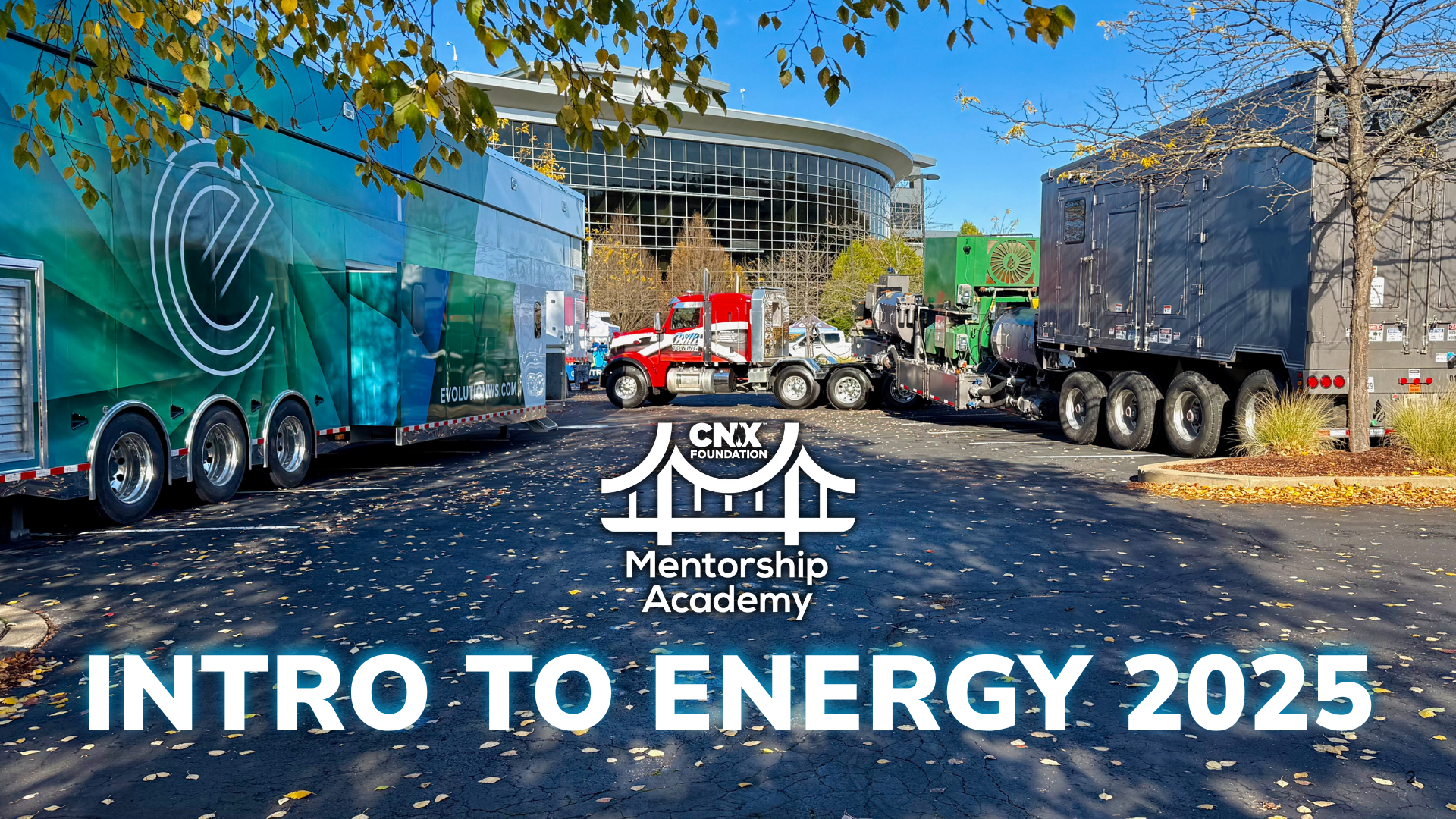
On October 20, CNX hosted its annual “Intro to Energy Day,” welcoming more than 150 students from over two dozen schools across Allegheny, Armstrong, Greene, Indiana, Washington, and Westmoreland counties.
Watch the short video below for a glimpse of the hands-on training and interactive demonstrations that students experienced throughout the event.
CNX extends heartfelt thanks to the dedicated partner companies who participated and continue to support the CNX Mentorship Academy—including AES Drilling Fluids, Albatross, AutoSep Technologies, Black Diamond, Chemstream, Deep Well Services, Diamond Technical Service (DTS), Evolution Well, Keystone Clearwater Services, M&A Resources, Main Contracting, Mustang Extreme Environmental Services, NexTier, OpSite, Phoenix Specialties, and ROC Service Company.
Their ongoing collaboration helps empower the next generation of energy leaders and strengthen workforce opportunities across our region.
You may also like…

CNX Hosts Intro to Energy 2025
CNX Hosts Intro to Energy 2025
By Positive Energy Hub Staff
On October 20, CNX hosted its annual “Intro to Energy Day,” welcoming more than 150 students from over two dozen schools across Allegheny, Armstrong, Greene, Indiana, Washington, and Westmoreland counties.
Watch the short video below for a glimpse of the hands-on training and interactive demonstrations that students experienced throughout the event.
CNX extends heartfelt thanks to the dedicated partner companies who participated and continue to support the CNX Mentorship Academy—including AES Drilling Fluids, Albatross, AutoSep Technologies, Black Diamond, Chemstream, Deep Well Services, Diamond Technical Service (DTS), Evolution Well, Keystone Clearwater Services, M&A Resources, Main Contracting, Mustang Extreme Environmental Services, NexTier, OpSite, Phoenix Specialties, and ROC Service Company.
Their ongoing collaboration helps empower the next generation of energy leaders and strengthen workforce opportunities across our region.
You may also like…

CNX Welcomes Armstrong County Leaders to MAM16
CNX Welcomes Armstrong County Leaders to MAM16
By Positive Energy Hub Staff
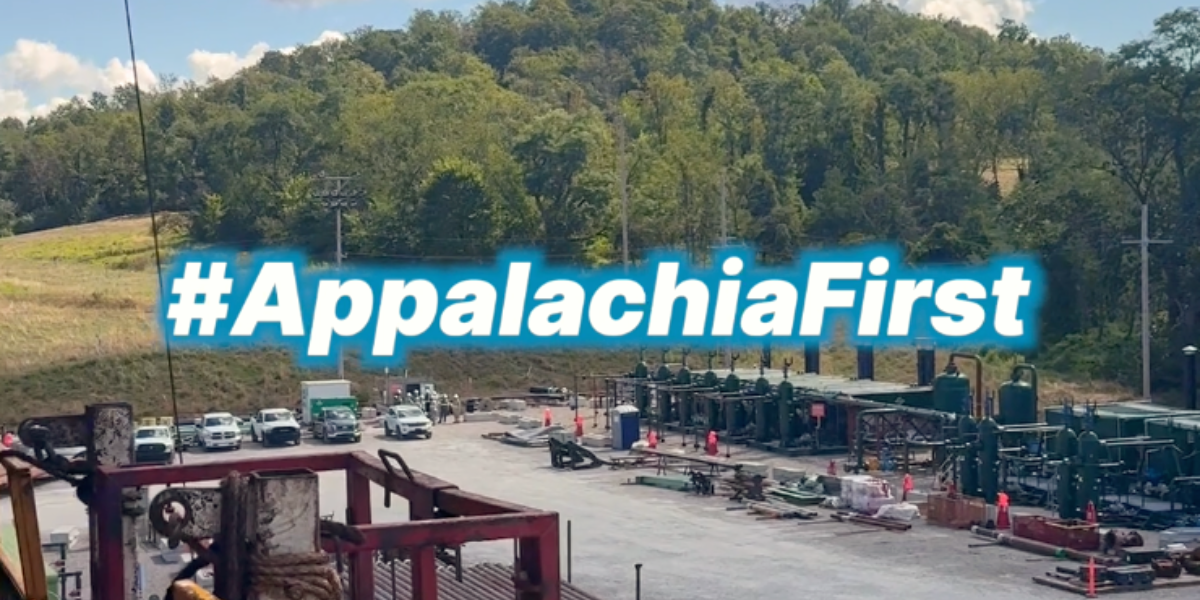
CNX was pleased to welcome Armstrong County officials to its MAM16 well pad for an up-close look at the Company’s commitment to safe, transparent natural gas development in this pivotal region for CNX’s future growth.
The visit offered valuable opportunities for open discussion and a chance to reaffirm the strong partnerships that help move local communities—and the entire Appalachian region—forward.
At CNX, collaboration with local leaders and stakeholders is core to its mission. By working together and prioritizing transparent practices, CNX is building a stronger foundation for responsible energy development and continued prosperity in Armstrong County and beyond.
Check out the video below for highlights from the tour. #AppalachiaFirst
You may also like…
CNX Welcomes Armstrong County Leaders to MAM16
By Positive Energy Hub Staff
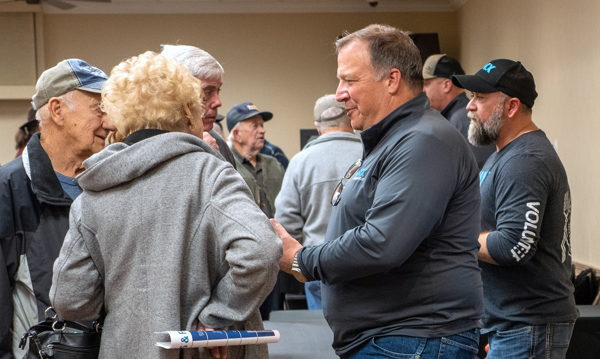
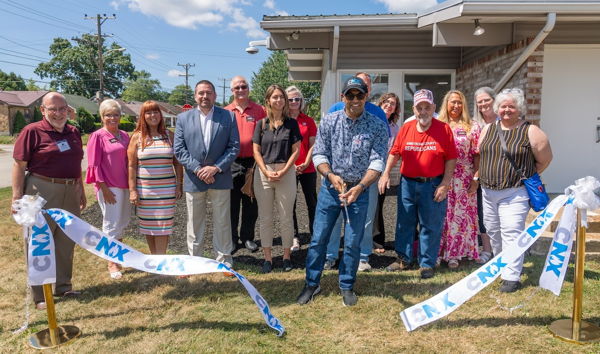
CNX was pleased to welcome Armstrong County officials to its MAM16 well pad for an up-close look at the Company’s commitment to safe, transparent natural gas development in this pivotal region for CNX’s future growth.
The visit offered valuable opportunities for open discussion and a chance to reaffirm the strong partnerships that help move local communities—and the entire Appalachian region—forward.
At CNX, collaboration with local leaders and stakeholders is core to its mission. By working together and prioritizing transparent practices, CNX is building a stronger foundation for responsible energy development and continued prosperity in Armstrong County and beyond.
Check out the video below for highlights from the tour. #AppalachiaFirst
You may also like…
CNX Welcomes Armstrong County Leaders to MAM16
By Positive Energy Hub Staff
CNX was pleased to welcome Armstrong County officials to its MAM16 well pad for an up-close look at the Company’s commitment to safe, transparent natural gas development in this pivotal region for CNX’s future growth.
The visit offered valuable opportunities for open discussion and a chance to reaffirm the strong partnerships that help move local communities—and the entire Appalachian region—forward.
At CNX, collaboration with local leaders and stakeholders is core to its mission. By working together and prioritizing transparent practices, CNX is building a stronger foundation for responsible energy development and continued prosperity in Armstrong County and beyond.
Check out the video below for highlights from the tour. #AppalachiaFirst
You may also like…

CNX Welcomes Westmoreland County Leaders to MAM16
By Positive Energy Hub Staff
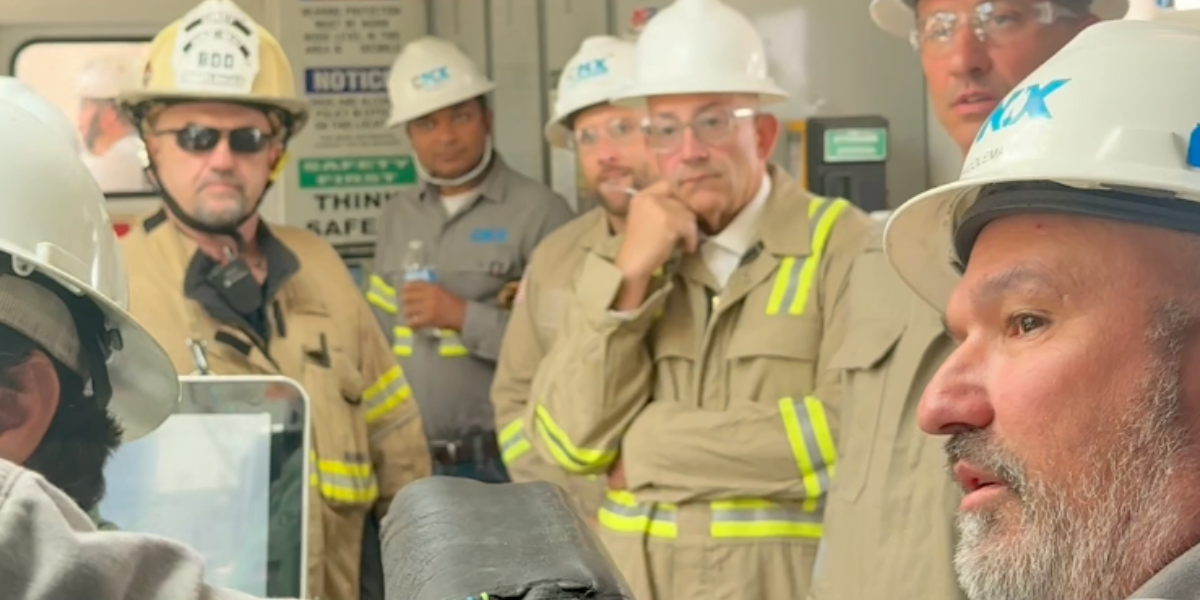
This summer, CNX welcomed Westmoreland County Commissioners, County Public Safety officials, and Hempfield Township Chairman R. Doug Weimer to CNX’s MAM16 well pad. The visit marked another step in CNX’s ongoing partnership with Westmoreland County.
During the tour, guests learned more about CNX’s commitment to safety, responsible operations, and efficient, transparent natural gas production. Discussions highlighted optimism for southwestern Pennsylvania’s future, powered by the region’s prolific shale reserves.
CNX’s partnerships with local officials and communities are central to its Appalachia First mission: building trust, supporting local jobs and economies, and fueling America’s energy future. Highlights from the visit can be viewed in the video below.
You may also like…

CNX Welcomes Westmoreland County Leaders to MAM16
CNX Welcomes Westmoreland County Leaders to MAM16
By Positive Energy Hub Staff
This summer, CNX welcomed Westmoreland County Commissioners, County Public Safety officials, and Hempfield Township Chairman R. Doug Weimer to CNX’s MAM16 well pad. The visit marked another step in CNX’s ongoing partnership with Westmoreland County.
During the tour, guests learned more about CNX’s commitment to safety, responsible operations, and efficient, transparent natural gas production. Discussions highlighted optimism for southwestern Pennsylvania’s future, powered by the region’s prolific shale reserves.
CNX’s partnerships with local officials and communities are central to its Appalachia First mission: building trust, supporting local jobs and economies, and fueling America’s energy future. Highlights from the visit can be viewed in the video below.
You may also like…

First Quarter 2025 Earnings Call Slides

With Apex Acquisition, CNX Doubles Down on Unique Approach in the Alle-Kiski Valley
By Positive Energy Hub Staff
CNX recently closed on the acquisition of Apex Energy’s assets in Pennsylvania, where we purchased approximately 36,000 acres in Westmoreland County – but we’re not new here. We’ve been a dedicated community partner in this region for years, investing in ways that make tangible and impactful differences while uplifting the communities that have powered western Pennsylvania, as well as the nation, for generations.
Growing in Westmoreland County and the broader Alle-Kiski Valley area – which we refer to as our Central Pennsylvania (CPA) operating region – presents exciting opportunities for our business, as well as for the people who live and work here.
High safety, environmental, and Appalachia First-focused community engagement standards, coupled with the Radical Transparency initiative collaboratively brought to the area by CNX, Governor Josh Shapiro, and the Pennsylvania Department of Environmental Protection, raises the bar for what it means to be a responsible energy producer.
“CNX’s Radical Transparency environmental monitoring and real-time disclosure initiative…provides local communities and residents with an even greater level of transparency into our operations, which we believe is second to none in our industry. We look forward to bringing the Apex assets into the CNX family,” commented Nick Deiuliis, CNX President and CEO.
We’re eager to get these newly acquired assets integrated into CNX operating standards. Residents within the former Apex footprint will soon learn how our Radical Transparency efforts to date in Westmoreland County help us learn about the unique characteristics of each community where we operate. This insight allows CNX to tailor operations to better meet individual community needs, ensuring that our practices align with local expectations and priorities.
For instance, in response to community feedback on light pollution, we have implemented the “dark sky” concept to minimize light use at night. Across five locations in the CPA region combined, we have completed 465 dark nights as of January 2025.

Another example where CNX has taken a hands-on approach to community engagement is through local infrastructure improvements such as the Kiski Water Line project. The $20 million investment not only supports our development efforts but also improves water reliability for local residents within the Municipal Authority of Westmoreland County (MAWC) footprint. In 2024, the water line eliminated more than 11,000 water trucks from roads in the CPA region and ensures the area is equipped to better manage its water resources during the Kiski River’s high flow periods. Additionally, the water line has the potential to support other business’ freshwater needs including agriculture, industrial, and manufacturing use.
The new North Apollo office that opened this past summer further supports our expanding operations in the CPA region, which serves as a central hub where landowners and stakeholders can meet with us, ask questions, and build important relationships and local dialogue with our team.
Strong Communities
We recognize that strong communities require strong foundations, and we’ve worked closely with local leaders to identify projects that make a lasting impact, all while respecting and honoring the region’s deep energy history.
One of our most impactful projects across our operating footprint has been our workforce training programs. Through the CNX Mentorship Academy, we’re helping to create pathways for students to enter high-demand careers, including in energy and the skilled trades, keeping the region’s workforce strong and engaged in emerging energy opportunities.
CNX employees, partners, and friends also regularly participate in community events, such as the annual golf outing at The Links in Spring Church, which funds school food pantries across the region and allowed us to zero out lunch debt across the Kiski Area School District. In addition, CNX Dream Fields investments revitalize athletic facilities – where five fields were transformed in 2024.
Most recently, CNX and CEO Nick Deiuliis announced a new initiative targeting school lunch debt, local veterans’ needs, and other socio-economic barriers like medical debt in the Alle-Kiski Valley. This exciting new campaign and distinctive philanthropic approach prioritizes hyper-localized investments directly targeting individuals and entities most in need.
“We can’t think of anything more impactful to the goal of helping to build a vibrant middle class that will sustain our region and local communities for years to come,” Deiuliis said.
Investing in Our Future
Above all, CNX remains dedicated to strengthening the communities where we work and live. We know that natural gas development must be done the right way, and we hold ourselves to the highest operational, safety, and environmental standards while ensuring that local communities continue to benefit from responsible natural gas development.
By honoring the region’s past and investing in the future, we are ensuring that these vital communities not only remain strong but continue to thrive for generations to come. As we continue to evolve to meet the energy and economic needs of our community, we will keep investing in people, projects, and programs that drive real, lasting change while preserving the energy-rich legacies of Appalachia.
Related Articles


With Apex Acquisition, CNX Doubles Down on Unique Approach in the Alle-Kiski Valley
By Positive Energy Hub Staff
CNX recently closed on the acquisition of Apex Energy’s assets in Pennsylvania, where we purchased approximately 36,000 acres in Westmoreland County – but we’re not new here. We’ve been a dedicated community partner in this region for years, investing in ways that make tangible and impactful differences while uplifting the communities that have powered western Pennsylvania, as well as the nation, for generations.
Growing in Westmoreland County and the broader Alle-Kiski Valley area – which we refer to as our Central Pennsylvania (CPA) operating region – presents exciting opportunities for our business, as well as for the people who live and work here.
High safety, environmental, and Appalachia First-focused community engagement standards, coupled with the Radical Transparency initiative collaboratively brought to the area by CNX, Governor Josh Shapiro, and the Pennsylvania Department of Environmental Protection, raises the bar for what it means to be a responsible energy producer.
“CNX’s Radical Transparency environmental monitoring and real-time disclosure initiative…provides local communities and residents with an even greater level of transparency into our operations, which we believe is second to none in our industry. We look forward to bringing the Apex assets into the CNX family,” commented Nick Deiuliis, CNX President and CEO.
We’re eager to get these newly acquired assets integrated into CNX operating standards. Residents within the former Apex footprint will soon learn how our Radical Transparency efforts to date in Westmoreland County help us learn about the unique characteristics of each community where we operate. This insight allows CNX to tailor operations to better meet individual community needs, ensuring that our practices align with local expectations and priorities.
For instance, in response to community feedback on light pollution, we have implemented the “dark sky” concept to minimize light use at night. Across five locations in the CPA region combined, we have completed 465 dark nights as of January 2025.
Another example where CNX has taken a hands-on approach to community engagement is through local infrastructure improvements such as the Kiski Water Line project. The $20 million investment not only supports our development efforts but also improves water reliability for local residents within the Municipal Authority of Westmoreland County (MAWC) footprint. In 2024, the water line eliminated more than 11,000 water trucks from roads in the CPA region and ensures the area is equipped to better manage its water resources during the Kiski River’s high flow periods. Additionally, the water line has the potential to support other business’ freshwater needs including agriculture, industrial, and manufacturing use.
The new North Apollo office that opened this past summer further supports our expanding operations in the CPA region, which serves as a central hub where landowners and stakeholders can meet with us, ask questions, and build important relationships and local dialogue with our team.
Strong Communities
We recognize that strong communities require strong foundations, and we’ve worked closely with local leaders to identify projects that make a lasting impact, all while respecting and honoring the region’s deep energy history.
One of our most impactful projects across our operating footprint has been our workforce training programs. Through the CNX Mentorship Academy, we’re helping to create pathways for students to enter high-demand careers, including in energy and the skilled trades, keeping the region’s workforce strong and engaged in emerging energy opportunities.
CNX employees, partners, and friends also regularly participate in community events, such as the annual golf outing at The Links in Spring Church, which funds school food pantries across the region and allowed us to zero out lunch debt across the Kiski Area School District. In addition, CNX Dream Fields investments revitalize athletic facilities – where five fields were transformed in 2024.
Most recently, CNX and CEO Nick Deiuliis announced a new initiative targeting school lunch debt, local veterans’ needs, and other socio-economic barriers like medical debt in the Alle-Kiski Valley. This exciting new campaign and distinctive philanthropic approach prioritizes hyper-localized investments directly targeting individuals and entities most in need.
“We can’t think of anything more impactful to the goal of helping to build a vibrant middle class that will sustain our region and local communities for years to come,” Deiuliis said.
Investing in Our Future
Above all, CNX remains dedicated to strengthening the communities where we work and live. We know that natural gas development must be done the right way, and we hold ourselves to the highest operational, safety, and environmental standards while ensuring that local communities continue to benefit from responsible natural gas development.
By honoring the region’s past and investing in the future, we are ensuring that these vital communities not only remain strong but continue to thrive for generations to come. As we continue to evolve to meet the energy and economic needs of our community, we will keep investing in people, projects, and programs that drive real, lasting change while preserving the energy-rich legacies of Appalachia.
Related Articles
With Apex Acquisition, CNX Doubles Down on Unique Approach in the Alle-Kiski Valley
With Apex Acquisition, CNX Doubles Down on Unique Approach in the Alle-Kiski Valley
By Positive Energy Hub Staff
CNX recently closed on the acquisition of Apex Energy’s assets in Pennsylvania, where we purchased approximately 36,000 acres in Westmoreland County – but we’re not new here. We’ve been a dedicated community partner in this region for years, investing in ways that make tangible and impactful differences while uplifting the communities that have powered western Pennsylvania, as well as the nation, for generations.
Growing in Westmoreland County and the broader Alle-Kiski Valley area – which we refer to as our Central Pennsylvania (CPA) operating region – presents exciting opportunities for our business, as well as for the people who live and work here.
High safety, environmental, and Appalachia First-focused community engagement standards, coupled with the Radical Transparency initiative collaboratively brought to the area by CNX, Governor Josh Shapiro, and the Pennsylvania Department of Environmental Protection, raises the bar for what it means to be a responsible energy producer.
“CNX’s Radical Transparency environmental monitoring and real-time disclosure initiative…provides local communities and residents with an even greater level of transparency into our operations, which we believe is second to none in our industry. We look forward to bringing the Apex assets into the CNX family,” commented Nick Deiuliis, CNX President and CEO.
We’re eager to get these newly acquired assets integrated into CNX operating standards. Residents within the former Apex footprint will soon learn how our Radical Transparency efforts to date in Westmoreland County help us learn about the unique characteristics of each community where we operate. This insight allows CNX to tailor operations to better meet individual community needs, ensuring that our practices align with local expectations and priorities.
For instance, in response to community feedback on light pollution, we have implemented the “dark sky” concept to minimize light use at night. Across five locations in the CPA region combined, we have completed 465 dark nights as of January 2025.
Another example where CNX has taken a hands-on approach to community engagement is through local infrastructure improvements such as the Kiski Water Line project. The $20 million investment not only supports our development efforts but also improves water reliability for local residents within the Municipal Authority of Westmoreland County (MAWC) footprint. In 2024, the water line eliminated more than 11,000 water trucks from roads in the CPA region and ensures the area is equipped to better manage its water resources during the Kiski River’s high flow periods. Additionally, the water line has the potential to support other business’ freshwater needs including agriculture, industrial, and manufacturing use.
The new North Apollo office that opened this past summer further supports our expanding operations in the CPA region, which serves as a central hub where landowners and stakeholders can meet with us, ask questions, and build important relationships and local dialogue with our team.
Strong Communities
We recognize that strong communities require strong foundations, and we’ve worked closely with local leaders to identify projects that make a lasting impact, all while respecting and honoring the region’s deep energy history.
One of our most impactful projects across our operating footprint has been our workforce training programs. Through the CNX Mentorship Academy, we’re helping to create pathways for students to enter high-demand careers, including in energy and the skilled trades, keeping the region’s workforce strong and engaged in emerging energy opportunities.
CNX employees, partners, and friends also regularly participate in community events, such as the annual golf outing at The Links in Spring Church, which funds school food pantries across the region and allowed us to zero out lunch debt across the Kiski Area School District. In addition, CNX Dream Fields investments revitalize athletic facilities – where five fields were transformed in 2024.
Most recently, CNX and CEO Nick Deiuliis announced a new initiative targeting school lunch debt, local veterans’ needs, and other socio-economic barriers like medical debt in the Alle-Kiski Valley. This exciting new campaign and distinctive philanthropic approach prioritizes hyper-localized investments directly targeting individuals and entities most in need.
“We can’t think of anything more impactful to the goal of helping to build a vibrant middle class that will sustain our region and local communities for years to come,” Deiuliis said.
Investing in Our Future
Above all, CNX remains dedicated to strengthening the communities where we work and live. We know that natural gas development must be done the right way, and we hold ourselves to the highest operational, safety, and environmental standards while ensuring that local communities continue to benefit from responsible natural gas development.
By honoring the region’s past and investing in the future, we are ensuring that these vital communities not only remain strong but continue to thrive for generations to come. As we continue to evolve to meet the energy and economic needs of our community, we will keep investing in people, projects, and programs that drive real, lasting change while preserving the energy-rich legacies of Appalachia.
Related Articles

CNX’s 2024 Wrapped

By Positive Energy Hub Staff
As a play on Spotify’s annual “Wrapped,” we’re sharing our own year-in-review highlighting key projects and milestones throughout 2024 that showcase our commitment to responsible, transparent operations, environmental stewardship, and uplifting the communities where we work.
Just like Spotify Wrapped reveals personalized insights, CNX 2024 Wrapped reflects the greatest hits of our team innovating, driving change, and delivering long-term, sustainable energy solutions for Appalachia:
“All Out” RT
As CNX’s novel Radical Transparency program advanced across operating areas, initial results from continuous monitoring by Clean Air Engineering this year demonstrated CNX site-level emissions are far below nationally-designated air quality standards. Importantly, no sustained levels of asthma-inducing PM2.5 or cancer-causing BTEX were observed during any phase of development.
Within the first year of the Radical Transparency program, hundreds of thousands of datapoints have been collected, reported to PA DEP, and transparently posted simultaneously on CNXRadicalTransparency.com. The number of sites equipped with Radical Transparency monitoring equipment continues to grow, with 15 active and archived sites (both well pads and compressor stations) contributing to the real-time feed of air, water, and chemical data.
At its core, Radical Transparency is about open-sourcing environmental data, but its also our way of being open with stakeholders and constantly fielding questions and seeking feedback. Through the program, we’re learning more about our communities’ individual needs and are able to adapt operations to best fit each operating area. This is done through a combination of data-driven efforts and hosting community open houses so local residents can directly interact with CNX employees.
- Related: Radical Transparency is also gaining traction among local industry players, with longstanding chemical provider Chemstream announcing in February their operations are fully compliant with the initiative.
Bold GHG Reductions
With Appalachian natural gas already boasting the lowest methane intensity of all producing regions in the nation, CNX takes these qualities to the next level through an Emission Reduction Task Force that’s always innovating to further reduce our emissions footprint. As outlined in this year’s Corporate Sustainability Report, we reduced operational methane intensity by 52% in our production segment and 31% in our gathering and boosting segment between 2020 and 2023.
Additionally, with a mission to further reduce methane in our midstream segment, we invested $5 million into various technologies, including switching to electric-driven pumps at the Mamont Compressor Station. This singular upgrade translated to an 88% drop in emissions. What’s more, the Mamont station is also part of our Radical Transparency program, feeding air quality data to CNXRadicalTransparency.com in real-time.
H2 Advancements
Appalachia’s hydrogen hub aspirations became closer to reality throughout the year as official funding agreements were finalized via the Appalachian Regional Clean Hydrogen Hub (ARCH2). On top of joining industry-wide initiatives to help jumpstart clean hydrogen development and use in the region, the team was actively working on policy measures to ensure the benefits of the federal Inflation Reduction Act (IRA) and Infrastructure Investment and Jobs Act (IIJA) can materialize in Appalachian communities.
Importantly, U.S. Treasury recognized the value captured waste coal mine methane (CMM) presents as a feedstock for clean hydrogen production in their final tax credit rules (45V). We’re encouraged by this milestone, but remain committed to advocating for opportunities to fully realize the benefits this ultra-low carbon intensity fuel source can unlock in our region and beyond.
Tangible & Local Investments
Work in Westmoreland County and the Alle-Kiski valley came into focus this year as the team geared up for activity in 2025. Importantly, the $20 million Kiski Water Line Project was completed in June and is designed to better serve our local operations while delivering water resource solutions for area residents. The 20″ line is expected to serve as the primary alternative to water purchased from the Municipal Authority of Westmoreland County (MAWC) during voluntary or mandatory water conservation periods. The water line also significantly reduces the need for CNX to utilize water trucking, further reducing community impact.
Complementing this growing operational footprint in our Central PA (CPA) region, we opened an office in North Apollo this past summer to provide residents, local businesses, landowners, and community members with a place to access the CNX team. With the planned acquisition of Apex Energy’s upstream and midstream assets in Westmoreland County, this office location will serve as a meeting area for new landowners, community members, and other stakeholders to get to know us.
Moving a little farther to the south, CNX also established new regional headquarters in Richlands, Virginia. Ground zero for our mine methane capture operations, the expanded presence will enhance CNX’s unique opportunities to help meet rapidly expanding energy demand in a way that advances energy security and decarbonization goals.

- Related: Our first carbon project, the Appalachian Valley Improved Forest Management (IFM) Project, was launched in Virginia this year. Partnering with ClimeCo, we’re preserving over 34,000 forest acres in Virginia, which enhances carbon storage capabilities and reduces greenhouse gas emissions. Importantly, this effort helps protect local wildlife and keeps our forests thriving for generations to come.
CNG & OFS Developments
2024 was another year of differentiation at CNX, advancing oilfield services solutions that provide cost, safety, and environmental efficiencies for the industry. April saw the launch of the AutoSepSM Technologies (AutoSep) joint venture with Deep Well Services (DWS), which introduced an automated flowback system for the completions process that leverages CNX’s technical development capabilities and the service quality standard DWS provides to the industry.
We also reached new CNG milestones during the year, notably completing the first full year of deploying CNG water-hauling trucks in southwestern Pennsylvania with FORCE Environmental Solutions. By using CNG, these trucks reduce emissions by 30% and related operating costs by 50%. During that period, CNX used 49,525 gallons (GGE) of CNG, which displaced ~36,192 gallons of diesel. Significant operational efficiencies, such as load time, were equally realized.
Teaming up with NuBlu Energy, 2024 also saw the launch of ZeroHP CNG™, a cutting-edge technology that eliminates the need for mechanical compressors. The new process displays myriad advances including drastic reductions in capital and operating costs, environmental footprint, required maintenance, and trailer fill time. With the capability to fill the largest virtual pipeline trailers in about an hour without the need for refrigeration, the patent-pending approach furthers CNX’s strategic position to meet the growing demand for clean and affordable energy.
- Related: The announcement with NuBlu also launched the Clean mLNG system, a micro-scale LNG liquefaction solution that leverages both Geobaric Energy and NuBlu’s methane-only refrigeration technology (Mlng). Leveraging cutting-edge processes and patent-pending technologies, Clean mLNG achieves cost savings and environmental benefits exceeding those of traditional mega-scale LNG processes, marking a significant industry milestone by enabling the cost-effective production of small-scale LNG without compromising performance, and by providing a path to zero Scopes 1 and 2 upstream emissions.
Workforce & Job Training
Equally as important as the operational investments made in 2024 are the unique career readiness programs the CNX Mentorship Academy provides. Over the last three years, the Academy has been opening doors for local youth by helping them learn from the region’s best and brightest. In February 2024, the CNX Board of Directors approved CEO Nick Deiuliis’ request to make another $1.5 million compensation donation to the CNX Foundation in support of the Mentorship Academy – further expanding the program’s offerings and partnerships.
2024 was clearly a busy year for the CNX team, launching a range of new technologies and achieving significant milestones that directly tie back to our commitment to making Appalachia stronger. While we are incredibly proud of our team and partners, we look forward to what’s ahead for us in 2025 as we continue looking for new and improved ways to develop, transport, and use abundant, Appalachian energy.
Related Articles

CNX’s 2024 Wrapped
By Positive Energy Hub Staff
As a play on Spotify’s annual “Wrapped,” we’re sharing our own year-in-review highlighting key projects and milestones throughout 2024 that showcase our commitment to responsible, transparent operations, environmental stewardship, and uplifting the communities where we work.
Just like Spotify Wrapped reveals personalized insights, CNX 2024 Wrapped reflects the greatest hits of our team innovating, driving change, and delivering long-term, sustainable energy solutions for Appalachia:
“All Out” RT
As CNX’s novel Radical Transparency program advanced across operating areas, initial results from continuous monitoring by Clean Air Engineering this year demonstrated CNX site-level emissions are far below nationally-designated air quality standards. Importantly, no sustained levels of asthma-inducing PM2.5 or cancer-causing BTEX were observed during any phase of development.
Within the first year of the Radical Transparency program, hundreds of thousands of datapoints have been collected, reported to PA DEP, and transparently posted simultaneously on CNXRadicalTransparency.com. The number of sites equipped with Radical Transparency monitoring equipment continues to grow, with 15 active and archived sites (both well pads and compressor stations) contributing to the real-time feed of air, water, and chemical data.
At its core, Radical Transparency is about open-sourcing environmental data, but its also our way of being open with stakeholders and constantly fielding questions and seeking feedback. Through the program, we’re learning more about our communities’ individual needs and are able to adapt operations to best fit each operating area. This is done through a combination of data-driven efforts and hosting community open houses so local residents can directly interact with CNX employees.
- Related: Radical Transparency is also gaining traction among local industry players, with longstanding chemical provider Chemstream announcing in February their operations are fully compliant with the initiative.
Bold GHG Reductions
With Appalachian natural gas already boasting the lowest methane intensity of all producing regions in the nation, CNX takes these qualities to the next level through an Emission Reduction Task Force that’s always innovating to further reduce our emissions footprint. As outlined in this year’s Corporate Sustainability Report, we reduced operational methane intensity by 52% in our production segment and 31% in our gathering and boosting segment between 2020 and 2023.
Additionally, with a mission to further reduce methane in our midstream segment, we invested $5 million into various technologies, including switching to electric-driven pumps at the Mamont Compressor Station. This singular upgrade translated to an 88% drop in emissions. What’s more, the Mamont station is also part of our Radical Transparency program, feeding air quality data to CNXRadicalTransparency.com in real-time.
H2 Advancements
Appalachia’s hydrogen hub aspirations became closer to reality throughout the year as official funding agreements were finalized via the Appalachian Regional Clean Hydrogen Hub (ARCH2). On top of joining industry-wide initiatives to help jumpstart clean hydrogen development and use in the region, the team was actively working on policy measures to ensure the benefits of the federal Inflation Reduction Act (IRA) and Infrastructure Investment and Jobs Act (IIJA) can materialize in Appalachian communities.
Importantly, U.S. Treasury recognized the value captured waste coal mine methane (CMM) presents as a feedstock for clean hydrogen production in their final tax credit rules (45V). We’re encouraged by this milestone, but remain committed to advocating for opportunities to fully realize the benefits this ultra-low carbon intensity fuel source can unlock in our region and beyond.
Tangible & Local Investments
Work in Westmoreland County and the Alle-Kiski valley came into focus this year as the team geared up for activity in 2025. Importantly, the $20 million Kiski Water Line Project was completed in June and is designed to better serve our local operations while delivering water resource solutions for area residents. The 20″ line is expected to serve as the primary alternative to water purchased from the Municipal Authority of Westmoreland County (MAWC) during voluntary or mandatory water conservation periods. The water line also significantly reduces the need for CNX to utilize water trucking, further reducing community impact.
Complementing this growing operational footprint in our Central PA (CPA) region, we opened an office in North Apollo this past summer to provide residents, local businesses, landowners, and community members with a place to access the CNX team. With the planned acquisition of Apex Energy’s upstream and midstream assets in Westmoreland County, this office location will serve as a meeting area for new landowners, community members, and other stakeholders to get to know us.
Moving a little farther to the south, CNX also established new regional headquarters in Richlands, Virginia. Ground zero for our mine methane capture operations, the expanded presence will enhance CNX’s unique opportunities to help meet rapidly expanding energy demand in a way that advances energy security and decarbonization goals.
- Related: Our first carbon project, the Appalachian Valley Improved Forest Management (IFM) Project, was launched in Virginia this year. Partnering with ClimeCo, we’re preserving over 34,000 forest acres in Virginia, which enhances carbon storage capabilities and reduces greenhouse gas emissions. Importantly, this effort helps protect local wildlife and keeps our forests thriving for generations to come.
CNG & OFS Developments
2024 was another year of differentiation at CNX, advancing oilfield services solutions that provide cost, safety, and environmental efficiencies for the industry. April saw the launch of the AutoSepSM Technologies (AutoSep) joint venture with Deep Well Services (DWS), which introduced an automated flowback system for the completions process that leverages CNX’s technical development capabilities and the service quality standard DWS provides to the industry.
We also reached new CNG milestones during the year, notably completing the first full year of deploying CNG water-hauling trucks in southwestern Pennsylvania with FORCE Environmental Solutions. By using CNG, these trucks reduce emissions by 30% and related operating costs by 50%. During that period, CNX used 49,525 gallons (GGE) of CNG, which displaced ~36,192 gallons of diesel. Significant operational efficiencies, such as load time, were equally realized.
Teaming up with NuBlu Energy, 2024 also saw the launch of ZeroHP CNG™, a cutting-edge technology that eliminates the need for mechanical compressors. The new process displays myriad advances including drastic reductions in capital and operating costs, environmental footprint, required maintenance, and trailer fill time. With the capability to fill the largest virtual pipeline trailers in about an hour without the need for refrigeration, the patent-pending approach furthers CNX’s strategic position to meet the growing demand for clean and affordable energy.
- Related: The announcement with NuBlu also launched the Clean mLNG system, a micro-scale LNG liquefaction solution that leverages both Geobaric Energy and NuBlu’s methane-only refrigeration technology (Mlng). Leveraging cutting-edge processes and patent-pending technologies, Clean mLNG achieves cost savings and environmental benefits exceeding those of traditional mega-scale LNG processes, marking a significant industry milestone by enabling the cost-effective production of small-scale LNG without compromising performance, and by providing a path to zero Scopes 1 and 2 upstream emissions.
Workforce & Job Training
Equally as important as the operational investments made in 2024 are the unique career readiness programs the CNX Mentorship Academy provides. Over the last three years, the Academy has been opening doors for local youth by helping them learn from the region’s best and brightest. In February 2024, the CNX Board of Directors approved CEO Nick Deiuliis’ request to make another $1.5 million compensation donation to the CNX Foundation in support of the Mentorship Academy – further expanding the program’s offerings and partnerships.
2024 was clearly a busy year for the CNX team, launching a range of new technologies and achieving significant milestones that directly tie back to our commitment to making Appalachia stronger. While we are incredibly proud of our team and partners, we look forward to what’s ahead for us in 2025 as we continue looking for new and improved ways to develop, transport, and use abundant, Appalachian energy.
Related Articles
CNX’s 2024 Wrapped
By Positive Energy Hub Staff
As a play on Spotify’s annual “Wrapped,” we’re sharing our own year-in-review highlighting key projects and milestones throughout 2024 that showcase our commitment to responsible, transparent operations, environmental stewardship, and uplifting the communities where we work.
Just like Spotify Wrapped reveals personalized insights, CNX 2024 Wrapped reflects the greatest hits of our team innovating, driving change, and delivering long-term, sustainable energy solutions for Appalachia:
“All Out” RT
As CNX’s novel Radical Transparency program advanced across operating areas, initial results from continuous monitoring by Clean Air Engineering this year demonstrated CNX site-level emissions are far below nationally-designated air quality standards. Importantly, no sustained levels of asthma-inducing PM2.5 or cancer-causing BTEX were observed during any phase of development.
Within the first year of the Radical Transparency program, hundreds of thousands of datapoints have been collected, reported to PA DEP, and transparently posted simultaneously on CNXRadicalTransparency.com. The number of sites equipped with Radical Transparency monitoring equipment continues to grow, with 15 active and archived sites (both well pads and compressor stations) contributing to the real-time feed of air, water, and chemical data.
At its core, Radical Transparency is about open-sourcing environmental data, but its also our way of being open with stakeholders and constantly fielding questions and seeking feedback. Through the program, we’re learning more about our communities’ individual needs and are able to adapt operations to best fit each operating area. This is done through a combination of data-driven efforts and hosting community open houses so local residents can directly interact with CNX employees.
- Related: Radical Transparency is also gaining traction among local industry players, with longstanding chemical provider Chemstream announcing in February their operations are fully compliant with the initiative.
Bold GHG Reductions
With Appalachian natural gas already boasting the lowest methane intensity of all producing regions in the nation, CNX takes these qualities to the next level through an Emission Reduction Task Force that’s always innovating to further reduce our emissions footprint. As outlined in this year’s Corporate Sustainability Report, we reduced operational methane intensity by 52% in our production segment and 31% in our gathering and boosting segment between 2020 and 2023.
Additionally, with a mission to further reduce methane in our midstream segment, we invested $5 million into various technologies, including switching to electric-driven pumps at the Mamont Compressor Station. This singular upgrade translated to an 88% drop in emissions. What’s more, the Mamont station is also part of our Radical Transparency program, feeding air quality data to CNXRadicalTransparency.com in real-time.
H2 Advancements
Appalachia’s hydrogen hub aspirations became closer to reality throughout the year as official funding agreements were finalized via the Appalachian Regional Clean Hydrogen Hub (ARCH2). On top of joining industry-wide initiatives to help jumpstart clean hydrogen development and use in the region, the team was actively working on policy measures to ensure the benefits of the federal Inflation Reduction Act (IRA) and Infrastructure Investment and Jobs Act (IIJA) can materialize in Appalachian communities.
Importantly, U.S. Treasury recognized the value captured waste coal mine methane (CMM) presents as a feedstock for clean hydrogen production in their final tax credit rules (45V). We’re encouraged by this milestone, but remain committed to advocating for opportunities to fully realize the benefits this ultra-low carbon intensity fuel source can unlock in our region and beyond.
Tangible & Local Investments
Work in Westmoreland County and the Alle-Kiski valley came into focus this year as the team geared up for activity in 2025. Importantly, the $20 million Kiski Water Line Project was completed in June and is designed to better serve our local operations while delivering water resource solutions for area residents. The 20″ line is expected to serve as the primary alternative to water purchased from the Municipal Authority of Westmoreland County (MAWC) during voluntary or mandatory water conservation periods. The water line also significantly reduces the need for CNX to utilize water trucking, further reducing community impact.
Complementing this growing operational footprint in our Central PA (CPA) region, we opened an office in North Apollo this past summer to provide residents, local businesses, landowners, and community members with a place to access the CNX team. With the planned acquisition of Apex Energy’s upstream and midstream assets in Westmoreland County, this office location will serve as a meeting area for new landowners, community members, and other stakeholders to get to know us.
Moving a little farther to the south, CNX also established new regional headquarters in Richlands, Virginia. Ground zero for our mine methane capture operations, the expanded presence will enhance CNX’s unique opportunities to help meet rapidly expanding energy demand in a way that advances energy security and decarbonization goals.
- Related: Our first carbon project, the Appalachian Valley Improved Forest Management (IFM) Project, was launched in Virginia this year. Partnering with ClimeCo, we’re preserving over 34,000 forest acres in Virginia, which enhances carbon storage capabilities and reduces greenhouse gas emissions. Importantly, this effort helps protect local wildlife and keeps our forests thriving for generations to come.
CNG & OFS Developments
2024 was another year of differentiation at CNX, advancing oilfield services solutions that provide cost, safety, and environmental efficiencies for the industry. April saw the launch of the AutoSepSM Technologies (AutoSep) joint venture with Deep Well Services (DWS), which introduced an automated flowback system for the completions process that leverages CNX’s technical development capabilities and the service quality standard DWS provides to the industry.
We also reached new CNG milestones during the year, notably completing the first full year of deploying CNG water-hauling trucks in southwestern Pennsylvania with FORCE Environmental Solutions. By using CNG, these trucks reduce emissions by 30% and related operating costs by 50%. During that period, CNX used 49,525 gallons (GGE) of CNG, which displaced ~36,192 gallons of diesel. Significant operational efficiencies, such as load time, were equally realized.
Teaming up with NuBlu Energy, 2024 also saw the launch of ZeroHP CNG™, a cutting-edge technology that eliminates the need for mechanical compressors. The new process displays myriad advances including drastic reductions in capital and operating costs, environmental footprint, required maintenance, and trailer fill time. With the capability to fill the largest virtual pipeline trailers in about an hour without the need for refrigeration, the patent-pending approach furthers CNX’s strategic position to meet the growing demand for clean and affordable energy.
- Related: The announcement with NuBlu also launched the Clean mLNG system, a micro-scale LNG liquefaction solution that leverages both Geobaric Energy and NuBlu’s methane-only refrigeration technology (Mlng). Leveraging cutting-edge processes and patent-pending technologies, Clean mLNG achieves cost savings and environmental benefits exceeding those of traditional mega-scale LNG processes, marking a significant industry milestone by enabling the cost-effective production of small-scale LNG without compromising performance, and by providing a path to zero Scopes 1 and 2 upstream emissions.
Workforce & Job Training
Equally as important as the operational investments made in 2024 are the unique career readiness programs the CNX Mentorship Academy provides. Over the last three years, the Academy has been opening doors for local youth by helping them learn from the region’s best and brightest. In February 2024, the CNX Board of Directors approved CEO Nick Deiuliis’ request to make another $1.5 million compensation donation to the CNX Foundation in support of the Mentorship Academy – further expanding the program’s offerings and partnerships.
2024 was clearly a busy year for the CNX team, launching a range of new technologies and achieving significant milestones that directly tie back to our commitment to making Appalachia stronger. While we are incredibly proud of our team and partners, we look forward to what’s ahead for us in 2025 as we continue looking for new and improved ways to develop, transport, and use abundant, Appalachian energy.
Related Articles

In the Field with Kelly ‘Hoss’ Dunbar

By the CNX Human Resources Team
CNX prides itself on a 100% local workforce comprised of Appalachia’s most capable, skilled, and talented workers who safely and proudly develop the region’s abundant natural gas. To give stakeholders boots-on-the-ground insights about this work, CNX will be spotlighting the way various teams drive innovation to deliver energy solutions for today and tomorrow through a new ‘In the Field’ video series.
For the first episode, In the Field with Kelly “Hoss” Dunbar, viewers hear from a Drilling Site Representative shedding light on CNX’s industry-leading drilling operations, as well as Kelly’s perspective on the company and industry’s impact on local jobs, energy security, and benefits for our shared communities.
Kelly has been developing natural gas and oil since 1997 and was part of the team that first drilled Utica wells in Greene County. Tapping the Utica Shale is a key part of CNX’s development plans in Appalachia, as it can be easily converted to lower-emission compressed natural gas (CNG) and liquefied natural gas (LNG) for alternative fuel use.
In his role as, Kelly provides front line management for safely and efficiently executing all drilling operations. He brings over 20 years of invaluable industry expertise to CNX production processes, ensuring the way we produce energy in Appalachian communities is in the most efficient, safest, and sustainable way possible.
We are excited to continue working with Kelly in his new role!
Read More Perspectives
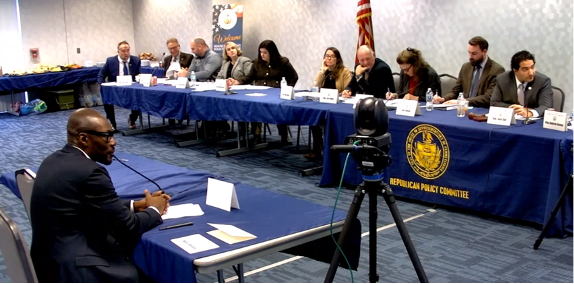


Reducing Emissions is not only Good Business, it’s the Right Thing to do in our Communities
By Positive Energy Hub Staff
From 2020 through 2023, CNX reduced the methane intensity in our company-wide gathering and boosting segment by 31% through continuously analyzing systems and identifying opportunities for enhancements. In 2024, the company invested an additional $5 million into methane reduction efforts, with a goal of eliminating 85,000 tons of CO2e. The Midstream group made significant progress toward that number by upgrading one of its compression facilities.
Mamont Compressor Station gathers gas from well sites in northern Westmoreland County and southern Indiana County. The facility currently moves approximately 30 million standard cubic feet of gas per day. Untreated gas comes into the facility at low pressure (~125-150psi) and is saturated with water. Before the gas can be sold to downstream customers like utility companies, it needs to be compressed to meet pressure requirements (~800-900psi), and most of the water must be removed.
To remove the water, the facility has two dehydration units. Currently only one unit is running at any given time, while the other serves as a backup. Each dehydration unit (dehy) uses triethylene glycol to remove water from the gas stream. The dehy is a regenerative system that circulates glycol, pulling water from the gas and then boiling that water out of the glycol.

The gas and glycol flow in opposite directions through a contact tower where the glycol pulls water from the gas stream. The dry gas can then flow to sales while the saturated glycol must be regenerated to remove the water. The glycol/water mixture goes through filtration and enters a reboiler, which heats the mixture to boil off the water. Then the dry glycol is ready to be circulated back to the contact tower to start this process over again.
The glycol leaving the reboiler requires a pump to send it back to the contact tower. The original glycol pump is an energy-exchange style pump, which brings a small amount of methane along with the glycol returning from the contact tower. At older stations like Mamont, this methane is captured in the flash tank and then released into the atmosphere.
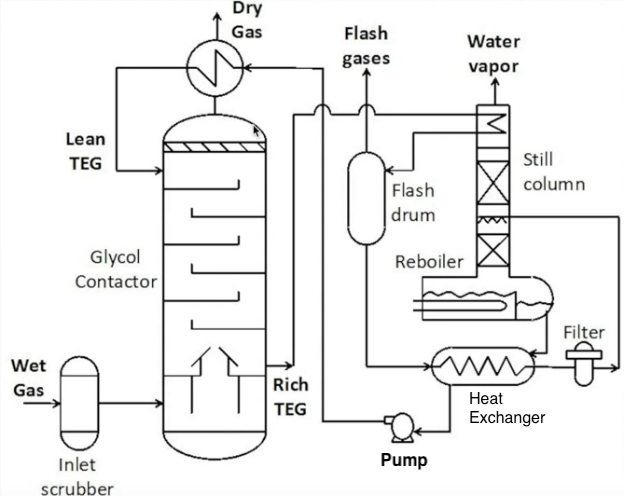
Newer dehys use electric-driven pumps that allow the contact tower to hold a higher liquid level. This means the only methane that returns to the flash tank is a very small quantity of gas entrained in the rich glycol. Mamont was identified as one of the highest methane-emitting midstream facilities in all of CNX operations at a calculated rate of 15,475 tons CO2e per year. The installation of electric-driven pumps eliminated the void where methane could enter the pump from the contact tower. As a result, the team was able to reduce dehy methane emissions at the station by 88%.
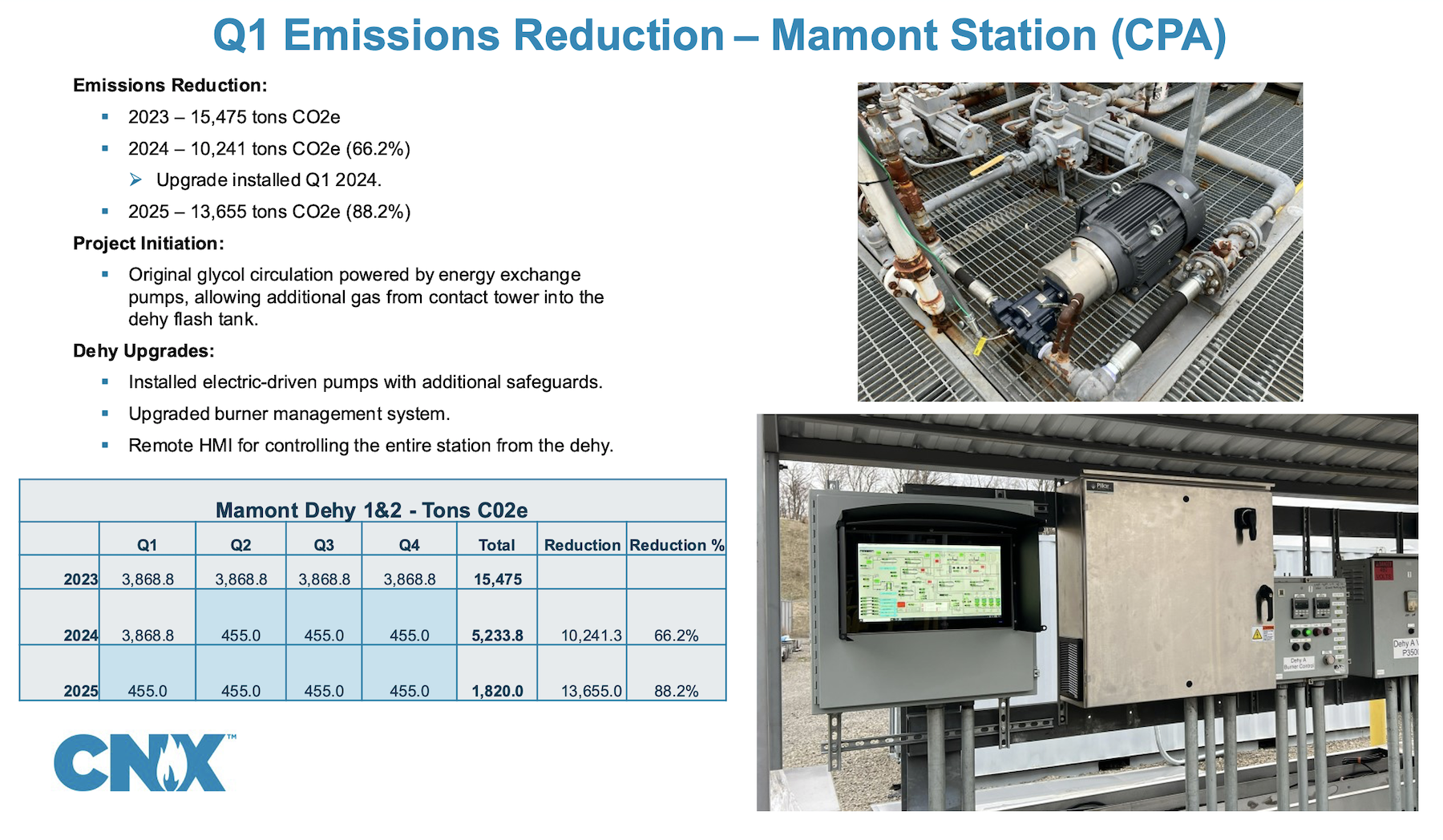
In addition, the team improved safety and reliability by installing additional automation and upgrading the burner management system. They also added a control panel at the dehy skid where the plant operator can control the entire facility.
Mamont Station is also part of the Radical Transparency initiative whereby realtime air quality reports are provided at this and other CNX facilities across southwest Pennsylvania. To see the live data, visit CNXRadicalTransparency.com.
You May Also Like…


Reducing Emissions is not only Good Business, it’s the Right Thing to do in our Communities
By Positive Energy Hub Staff
From 2020 through 2023, CNX reduced the methane intensity in our company-wide gathering and boosting segment by 31% through continuously analyzing systems and identifying opportunities for enhancements. In 2024, the company invested an additional $5 million into methane reduction efforts, with a goal of eliminating 85,000 tons of CO2e. The Midstream group made significant progress toward that number by upgrading one of its compression facilities.
Mamont Compressor Station gathers gas from well sites in northern Westmoreland County and southern Indiana County. The facility currently moves approximately 30 million standard cubic feet of gas per day. Untreated gas comes into the facility at low pressure (~125-150psi) and is saturated with water. Before the gas can be sold to downstream customers like utility companies, it needs to be compressed to meet pressure requirements (~800-900psi), and most of the water must be removed.
To remove the water, the facility has two dehydration units. Currently only one unit is running at any given time, while the other serves as a backup. Each dehydration unit (dehy) uses triethylene glycol to remove water from the gas stream. The dehy is a regenerative system that circulates glycol, pulling water from the gas and then boiling that water out of the glycol.
The gas and glycol flow in opposite directions through a contact tower where the glycol pulls water from the gas stream. The dry gas can then flow to sales while the saturated glycol must be regenerated to remove the water. The glycol/water mixture goes through filtration and enters a reboiler, which heats the mixture to boil off the water. Then the dry glycol is ready to be circulated back to the contact tower to start this process over again.
The glycol leaving the reboiler requires a pump to send it back to the contact tower. The original glycol pump is an energy-exchange style pump, which brings a small amount of methane along with the glycol returning from the contact tower. At older stations like Mamont, this methane is captured in the flash tank and then released into the atmosphere.
Newer dehys use electric-driven pumps that allow the contact tower to hold a higher liquid level. This means the only methane that returns to the flash tank is a very small quantity of gas entrained in the rich glycol. Mamont was identified as one of the highest methane-emitting midstream facilities in all of CNX operations at a calculated rate of 15,475 tons CO2e per year. The installation of electric-driven pumps eliminated the void where methane could enter the pump from the contact tower. As a result, the team was able to reduce dehy methane emissions at the station by 88%.
In addition, the team improved safety and reliability by installing additional automation and upgrading the burner management system. They also added a control panel at the dehy skid where the plant operator can control the entire facility.
Mamont Station is also part of the Radical Transparency initiative whereby realtime air quality reports are provided at this and other CNX facilities across southwest Pennsylvania. To see the live data, visit CNXRadicalTransparency.com.
You May Also Like…


A Milestone for the Future of CNG
By Positive Energy Hub Staff
Compressed Natural Gas (CNG) has the potential to revolutionize the transportation industry and beyond. Compared to conventional fuels, it reduces greenhouse gas emissions, improves fuel efficiency in fleet vehicles, and reduces maintenance costs because it is non-corrosive and burns cleaner. But compressing and storing natural gas at more than 3,000 pounds per square inch requires large mechanical compressors and other infrastructure that doesn’t exist at scale.
Enter ZeroHP CNGTM, a first-of-its-kind technology that eliminates the need for mechanical compressors. Instead, ZeroHP CNG utilizes high pressure (Geobaric Energy) from deep shale formations to compress the gas and fill CNG trailers on the sites where it is drilled. The technology is portable, allowing it to be deployed at microscale and generate fuel-grade CNG for a variety of uses in the field.
One such use is powering CNX’s electric frac fleet, which converts natural gas to electricity for hydraulic fracturing operations. Conventionally, the electric frac fleet uses gas from pipelines to fuel its electric turbine. When pipelines are not accessible (such as on a new well site), ZeroHP CNG can provide a low-emissions substitute fuel.
CNX recently completed the first implementation of this process, providing ZeroHP CNG to a new well site in Wadestown, WV that lacked existing infrastructure. Natural gas was produced, refined, and compressed at a mature well site in southwest PA and then trucked to the new site in WV. The ZeroHP CNG technology delivered 201 truckloads of CNG to fuel the frac fleet over 10 days. During this process, the team saw the following results:
- Natural gas compressed from ~800 psi to 3,900 psi for transport
- Each trailer filled in under 60 minutes
- 2 Trailers loaded at a time
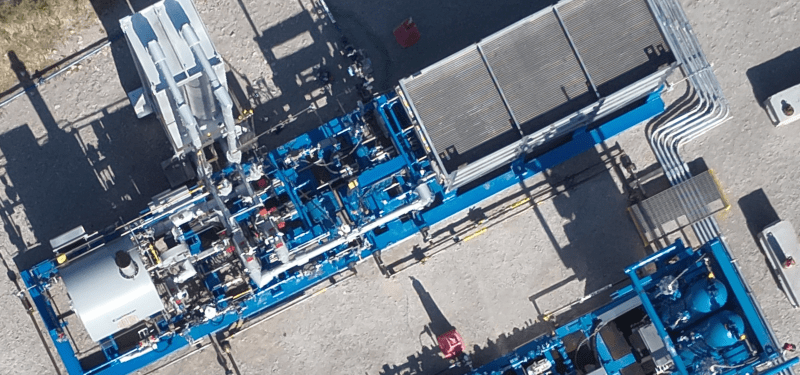
In addition to use in CNX operations, ZeroHP CNG can also be sold directly to customers from the well pad on which it was produced. CNX sold 18 truckloads to customers during the first deployment, signifying a major milestone for the potential of microscale CNG.
One MMBtu (a Metric Million British Thermal Unit) of compressed natural gas produces approximately the same energy as seven gallons of diesel fuel, making it highly economical while greatly reducing the environmental impact. Tailpipe SOx and NOx are reduced by approximately 40% and 90% respectively by substituting CNG for conventional fuels. ZeroHP CNG also reduces production-related carbon intensity by 35% compared to conventional CNG.
Once scaled, ZeroHP CNG and Clean mLNG—a similar microscale solution for liquifying natural gas—have the potential to displace 56% of transatlantic and transpacific petroleum imports, reducing global emissions by 80 million metric tonnes CO2e every year.
Related Articles


Celebrate Giving Tuesday with CNX Foundation’s Spirit of Generosity
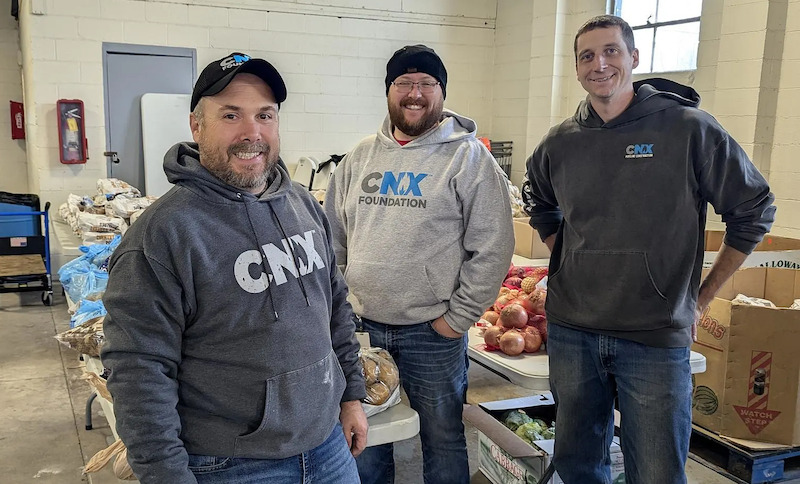
By Positive Energy Hub Staff
Each year on the Tuesday after Thanksgiving, Giving Tuesday inspires people across the globe to come together, give back, and celebrate the generosity that shapes communities throughout the year. Rooted in the belief that every act of giving matters, it’s a powerful reminder to support the causes and initiatives that make a difference in our lives and communities.
At CNX Resources, the CNX Foundation embodies our Appalachia First mission by driving meaningful and measurable change across the region. Building on the support we provide year-round, we launched CNX Impact – our season of giving – to amplify community efforts through hands-on employee volunteerism. Already, our team has packed food for local food banks, volunteered at the Corner Cupboard Food Bank, collected gifts for a variety of toy drives, and organized a cleanup day at Washington Lakes, all aimed at strengthening the communities we call home.
This Giving Tuesday, we encourage you to join us in supporting a selection of initiatives and organizations that reflect the diversity and impact of our core focus areas. These include:
In addition, throughout the year, CNX supports Outreached Arms, an organization that serves food to the hungry and provides basic necessities to those in need. CNX Foundation funds the meals provided every Tuesday, and CNX employees help serve the dinner on the first and second Tuesday of every month.
Another way to make an impact is by supporting one of the many nonprofit organizations that now call the Headquarters at CNX home. This initiative provides affordable, professional office space for nonprofits, charitable groups, women and minority-owned businesses, and underrepresented organizations. This space is more than an office—it’s a hub where organizations can grow their missions and collaborate with like-minded professionals. While these organizations may differ in focus, they share a common goal: improving the lives of individuals and families across our region. Together, they play a vital role in advancing the Appalachia First vision.
Our commitment to addressing issues like food insecurity, substance use disorder, and children’s health and wellness extends far beyond the holiday season. This Giving Tuesday, we celebrate all the ways people choose to give—whether through volunteering, donating, or simply helping a neighbor. As we look to 2025, we’re excited to build on the progress we’ve made and to continue supporting families, neighborhoods, and communities across Appalachia.
To learn more about CNX Foundation and the key areas we support, visit https://www.cnx.com/about-us/cnx-foundation.
Related Articles


CNX Foundation Launches New Veterans Support Pillar with Memorial Dedication in Saltsburg, PA
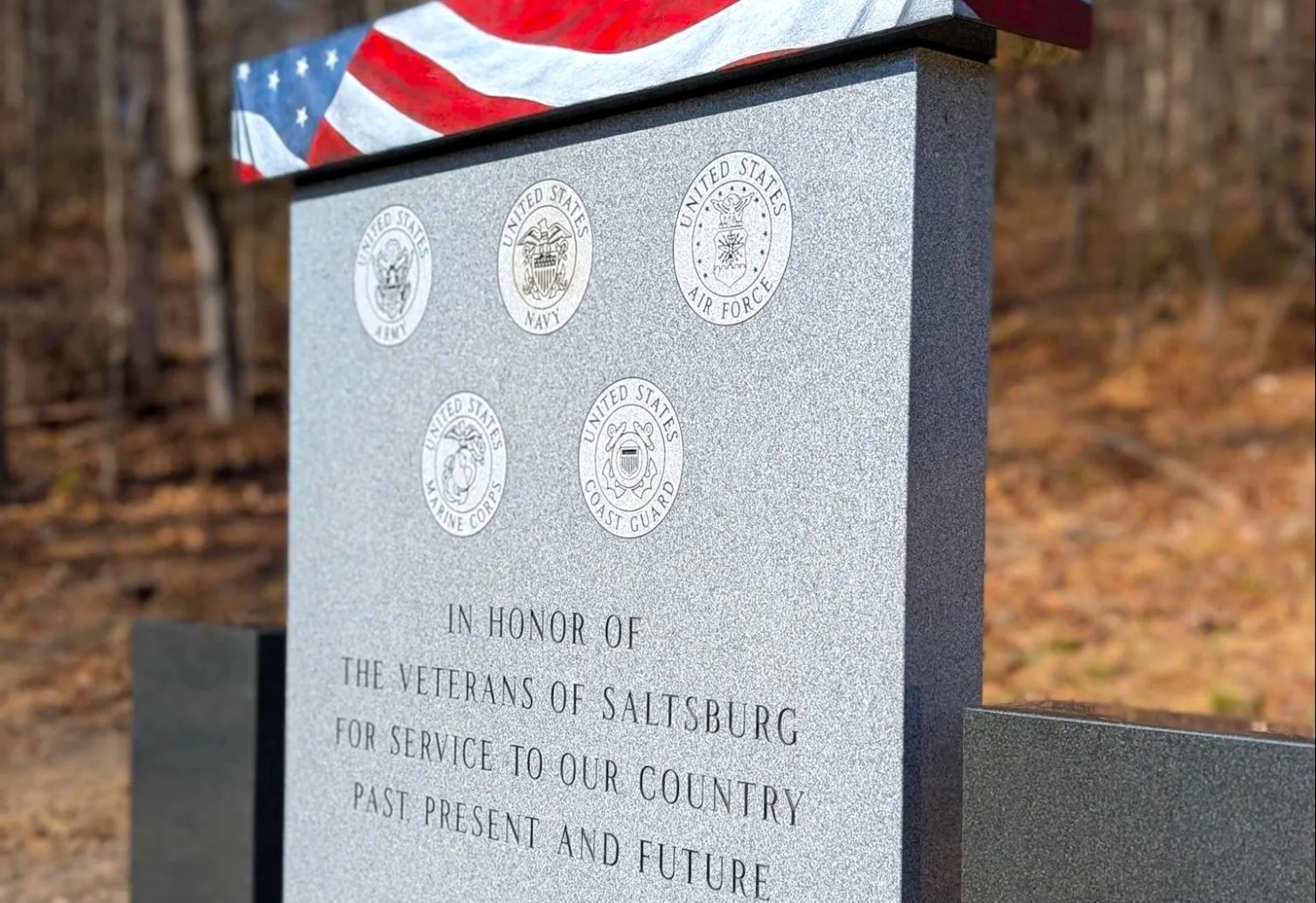
By Positive Energy Hub Staff
From the moment CNX Resources employee Mike Virgin visited American Legion Post 57 in Saltsburg, Pennsylvania, he knew he wanted to find a way to contribute to the organization. As a former Marine who served in Iraq and Afghanistan, Virgin understands that continuing the legacy of the generations who served in the past is a privilege and a duty. As his relationship with the veterans of Post 57 grew, he learned about their desire for a memorial – one that would honor the area’s history of service while saving room for future service members.
Eighteen months ago, the CNX Foundation began hosting wing nights for veterans throughout the region. It was during the inaugural wing night at Post 57 when Virgin connected with several of the legion’s members and learned about the desire for a memorial reflecting the region’s breadth of service.
“I am lucky to work for an organization committed to three core values: responsibility, ownership and excellence,” said Virgin. “All three are important, but the one that resonates with me the most is ownership. I knew I wanted to take ownership of this memorial and see it through.”
While Virgin was working with Post 57 to determine what should be included in the memorial, CNX Foundation, the philanthropic arm of CNX Resources, was establishing a new key pillar to support veterans’ initiatives. Since its beginning, the Foundation has focused its support in nine pillars in addition to its flagship initiative, The Mentorship Academy:
- Food insecurity
- Children’s health and wellness
- Broadband and information technology access
- Domestic abuse and awareness
- Career readiness
- Water quality safety and awareness
- Recidivism and reentry
- Opioid epidemic and its societal impact
“From a foundation perspective, we’ve collaborated on different events with veteran organizations since our inception,” said Tim Bedard, Executive Vice President, General Counsel and Corporate Secretary for CNX Resources and Navy veteran. “Over time, we realized we all felt compelled to further our commitment. Mike’s passion for creating this memorial drove us to form our eighth pillar. By contributing financially and dedicating our time, we are able to honor their service in a way that reflects our gratitude.”
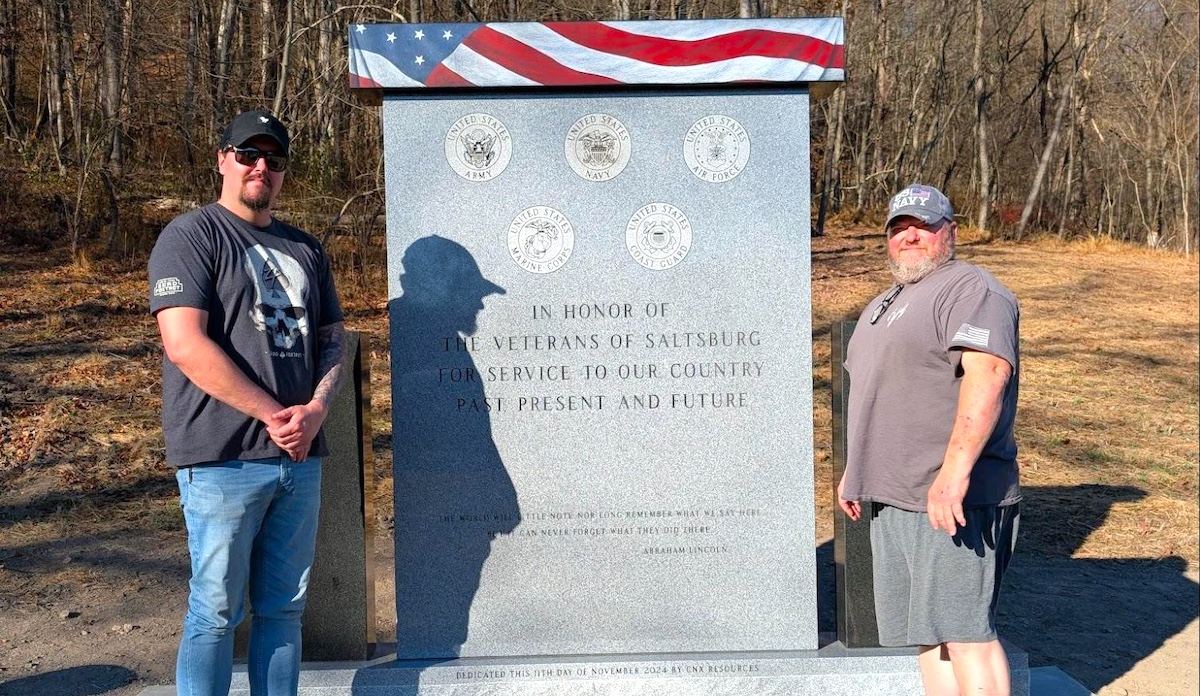
The memorial is 11 feet tall and 10 feet wide and forged from U.S.-made Virginia Mist and Silver Cloud granite. Currently, the pillars are blank so Post 57 can formulate all Saltsburg veterans and have them properly engraved. The memorial is inscribed with the following quote from President Abraham Lincoln’s Gettysburg Address:
The world will little note, nor long remember what we say here, but it can never forget what they did here.
The American Legion is a cornerstone of veteran support, advocating for veterans’ rights, engaging in community service and support, sponsoring a wide variety of youth programs and education and providing veterans with strong connections to one another.
“CNX really helped us bring the idea of this memorial to fruition, and it’s just awesome,” said Bradley McClure, American Legion Post 57 Commander and Young Township Supervisor. “Our relationship started with the wing nights they sponsor and has grown over time. This memorial means a lot to this community and we are thankful to CNX.”
In addition to supporting the memorial, in the last year, CNX Foundation has worked with the Greene County Veterans Club to help remodel their restroom to make it handicap accessible, contributed funds for veteran wing nights throughout the region and contributed funds for the Guardian Angels Service Dog project. The Foundation has also partnered with veteran programs to provide gifts and food to families throughout the holiday season.
“The CNX Foundation is committed to making a tangible, impactful and local difference throughout Appalachia,” said Virgin. “This memorial embodies all three of those values, and it’s a visual representation of the high bar our predecessors have set for us with their commitment to their country.”
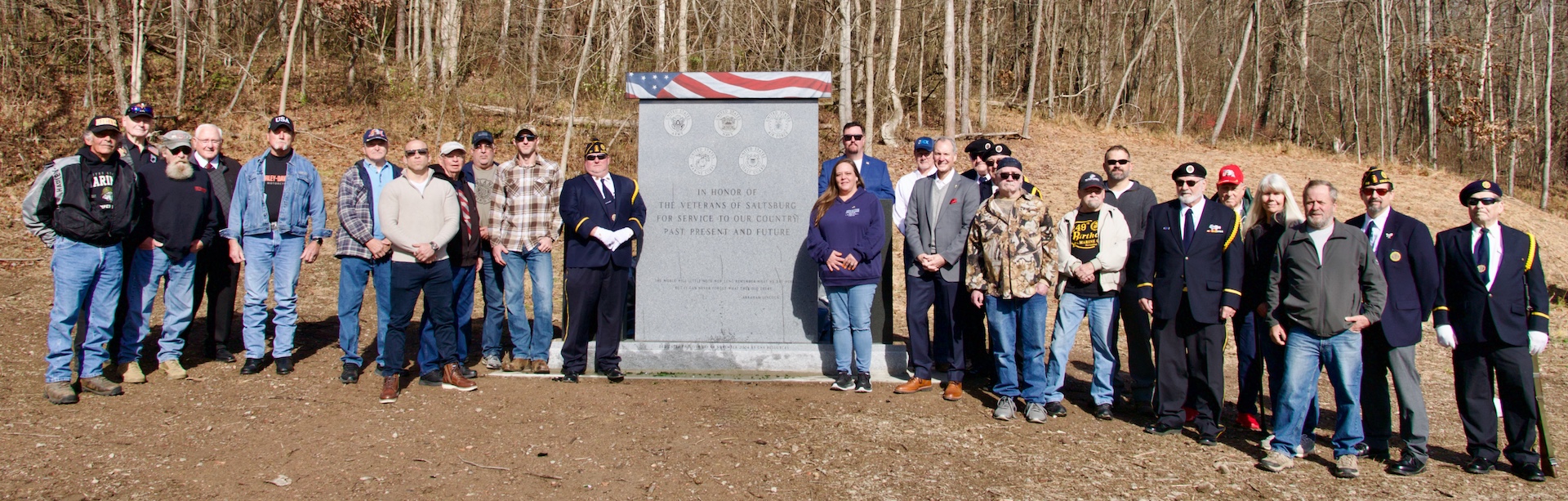
Related Articles

CNX Foundation Launches New Veterans Support Pillar with Memorial Dedication in Saltsburg, PA
By Positive Energy Hub Staff
From the moment CNX Resources employee Mike Virgin visited American Legion Post 57 in Saltsburg, Pennsylvania, he knew he wanted to find a way to contribute to the organization. As a former Marine who served in Iraq and Afghanistan, Virgin understands that continuing the legacy of the generations who served in the past is a privilege and a duty. As his relationship with the veterans of Post 57 grew, he learned about their desire for a memorial – one that would honor the area’s history of service while saving room for future service members.
Eighteen months ago, the CNX Foundation began hosting wing nights for veterans throughout the region. It was during the inaugural wing night at Post 57 when Virgin connected with several of the legion’s members and learned about the desire for a memorial reflecting the region’s breadth of service.
“I am lucky to work for an organization committed to three core values: responsibility, ownership and excellence,” said Virgin. “All three are important, but the one that resonates with me the most is ownership. I knew I wanted to take ownership of this memorial and see it through.”
While Virgin was working with Post 57 to determine what should be included in the memorial, CNX Foundation, the philanthropic arm of CNX Resources, was establishing a new key pillar to support veterans’ initiatives. Since its beginning, the Foundation has focused its support in nine pillars in addition to its flagship initiative, The Mentorship Academy:
- Food insecurity
- Children’s health and wellness
- Broadband and information technology access
- Domestic abuse and awareness
- Career readiness
- Water quality safety and awareness
- Recidivism and reentry
- Opioid epidemic and its societal impact
“From a foundation perspective, we’ve collaborated on different events with veteran organizations since our inception,” said Tim Bedard, Executive Vice President, General Counsel and Corporate Secretary for CNX Resources and Navy veteran. “Over time, we realized we all felt compelled to further our commitment. Mike’s passion for creating this memorial drove us to form our eighth pillar. By contributing financially and dedicating our time, we are able to honor their service in a way that reflects our gratitude.”
The memorial is 11 feet tall and 10 feet wide and forged from U.S.-made Virginia Mist and Silver Cloud granite. Currently, the pillars are blank so Post 57 can formulate all Saltsburg veterans and have them properly engraved. The memorial is inscribed with the following quote from President Abraham Lincoln’s Gettysburg Address:
The world will little note, nor long remember what we say here, but it can never forget what they did here.
The American Legion is a cornerstone of veteran support, advocating for veterans’ rights, engaging in community service and support, sponsoring a wide variety of youth programs and education and providing veterans with strong connections to one another.
“CNX really helped us bring the idea of this memorial to fruition, and it’s just awesome,” said Bradley McClure, American Legion Post 57 Commander and Young Township Supervisor. “Our relationship started with the wing nights they sponsor and has grown over time. This memorial means a lot to this community and we are thankful to CNX.”
In addition to supporting the memorial, in the last year, CNX Foundation has worked with the Greene County Veterans Club to help remodel their restroom to make it handicap accessible, contributed funds for veteran wing nights throughout the region and contributed funds for the Guardian Angels Service Dog project. The Foundation has also partnered with veteran programs to provide gifts and food to families throughout the holiday season.
“The CNX Foundation is committed to making a tangible, impactful and local difference throughout Appalachia,” said Virgin. “This memorial embodies all three of those values, and it’s a visual representation of the high bar our predecessors have set for us with their commitment to their country.”
Related Articles

Agricultural Sources of Particulate Matter
By Carrie Crumpton, CNX Vice President of Environmental Strategy
Through our Radical Transparency program, we not only monitor and disclose raw data in real time to state regulators and the public, but we also leverage the program as an opportunity to investigate when we see an anomaly in the data. Each operational location has its own unique characteristics, and we view any data anomaly as an opportunity to study, learn, improve, and customize our operating practices to the benefit of each local community. In other words, the program has provided an ancillary benefit beyond simply sharing data and providing the public with first-of-its kind transparency from the natural gas industry; it’s an opportunity for our industry to learn, adapt, and enhance operations in real time.
In that vein, we occasionally see readings of PM2.5 (particulate matter measuring 2.5 micrometers in diameter) that are higher than expected for the activity (or lack of activity) that is occurring on a pad location. As you’ll recall from previous Context Corner editions, PM2.5 sources can be emissions from combustion of gasoline, oil, diesel fuel, wood, or other biomass; or dusts and dirt from unsealed roads, construction, landfill, and agriculture. Some pollens and molds can also contribute to particulate matter that can register on certain devices that record PM2.5. When we are alerted to these ‘higher than expected’ readings, our team responds to review the conditions on location to ensure our process and equipment are working as designed. Our team often observes adjacent activity that could be contributing to the readings we are recording.
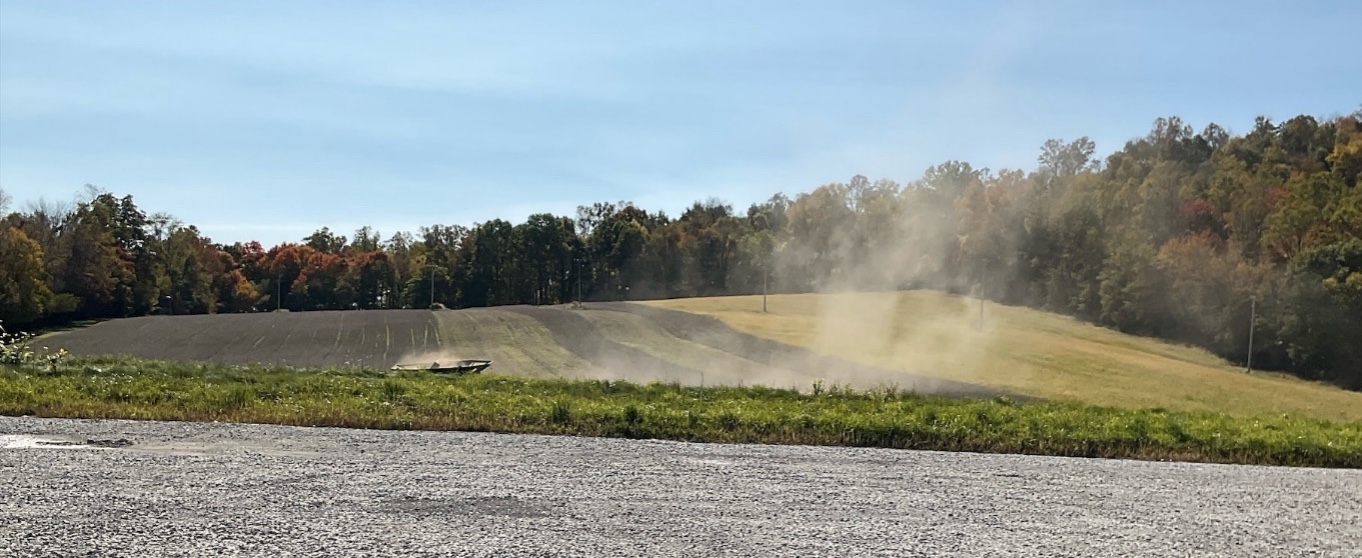
As we consider possible contributing factors for these unexpected readings, one thing to remember is that well pads are not large industrial complexes that are isolated from other typical activities in the region. Well pads in Appalachia are sited alongside other activities such as coal mining operations and, more often, near agricultural activity, which is prominent within our operating footprint. USDA’s 2023 State Agricultural Overview reports there are over 49,000 Farm Operations totaling more than 7,100,000 acres with agricultural operations in Pennsylvania. CNX well pads are alongside and often surrounded by some of these agricultural activities. Activities occurring on these working farms can contribute to the air quality readings we see at our pad locations. The monitors we utilize do not differentiate from where the PM2.5 originates. Exhaust, dust, smoke, and pollen from these agricultural activities are detected and recorded as well.
CNX recognizes that unique air quality challenges exist in agriculture. From application of pesticides and fertilizers, plowing and tilling, etc., to the management of livestock waste and burning of crop residues, agricultural practices release contaminants including volatile organic compounds and particulate matter, among others. CNX is taking steps to help better understand the region’s PM2.5 by looking for contributions from well pad/development activity and hope that others can utilize the robust dataset to explore other possible sources of PM2.5. We view this as an opportunity for innovation and transformation. CNX believes that the data we record and provide can help advance air quality across the region and could innovate opportunities outside of the sphere of natural gas, like opportunities to move forward sustainable agricultural practices such as conservation tillage, precision farming, or integrated pest management.
CNX appreciates the mutually beneficial opportunity to develop natural gas alongside agriculture in Appalachia and is proud to contribute to the direct economic benefit for the agricultural community. These synchronous activities have cemented the opportunity for multi-generational family farms to continue for generations to come by providing supplemental income to families and improving opportunities for investments in new technology and equipment. These investments and the efficiencies that are gained preserve the Appalachian region’s farming culture and help preserve the competitive viability of the family farm in Appalachia. Tangible data leads to innovative, impactful solutions that benefit everyone in the (local) region.


CNX Caring Cart Program Expands to the IRMC Cancer Center, in partnership with UPMC Hillman Cancer Center in Indiana, PA
By Positive Energy Hub Staff
Cancer patients undergoing chemotherapy often face several hours of treatment at a time. The appointments can be physically uncomfortable, and filling the expanse of time can be challenging. That’s where the CNX Caring Cart—a cart filled with snacks, throat lozenges, lip balm, puzzles, blankets, backscratchers, and more—has helped to provide some comfort and occupy patients’ treatment times since 2015. Launched in collaboration with UPMC Hillman Cancer Center Volunteer Services, this initiative has since expanded to the Indiana Regional Medical Center (IRMC) Cancer Center, in partnership with UPMC Hillman Cancer Center.
According to Rachel Wyzkowski, lead coordinator, UPMC Hillman Volunteer and Community Services, the fact that volunteers bring the cart around makes it particularly special.
“When patients see the cart coming around the corner, it’s an opportunity for them not only to grab some fun items, but it’s also a distraction from their medical treatment. They know the person delivering the items is one of our volunteers and is not there to talk about medicine or protocols. It sounds small, but it really makes a difference,” she said.
Since 2015, CNX has provided over $325,000 to UPMC Hillman Cancer Center, beginning at its flagship location in Shadyside. Most of the funds support the caring cart initiative, which Ms. Wyzkowski and CNX’s external relations manager, Amy Hopkins, like to keep fresh with a balance of items that may help ease the side effects of treatment along with fun items that help provide distraction.
Ms. Wyzkowski said backscratchers are popular all year round, but bucket hats became a favorite over the summer.
Recognizing a need for this service beyond UPMC Hillman in Shadyside, the CNX Foundation, CNX’s philanthropic arm founded in 2021, increased its support for the program to provide a cart to the IRMC Cancer Center in Indiana, PA.
“We are really excited to extend this program to an additional UPMC Hillman location,” Ms. Hopkins said. “It’s our way of hopefully brightening a patient’s day and filling a need at the cancer center as well.”

In December, CNX Resources employees volunteer to take the cart to patients on each floor of the cancer center. During the rest of the year, UPMC Hillman volunteers bring the cart to patients throughout the center, offering various care items.
“Undergoing cancer treatment can be a tremendous challenge,” said Tim Bedard, executive vice president, general counsel, and corporate secretary of CNX Resources. “We hope that the caring carts help bring some joy and comfort to patients and their families during a difficult period in their lives.”
Philanthropic impact can take many forms, from individual donations to teams of people working together.
“The caring cart program requires financial support, of course. But it also relies on regular volunteers and the creativity and thoughtfulness that goes into selecting the items,” said Shannon Kroskie Smith, community relations coordinator for UPMC Hillman Cancer Center.
To learn more about the CNX Caring Cart program and how your organization can help support UPMC Hillman Cancer Center, contact the Development Office at 412-623-4700 or givetohillman@upmc.edu.
Related Articles


CNX Caring Cart Program Expands to the IRMC Cancer Center, in partnership with UPMC Hillman Cancer Center in Indiana, PA
By Positive Energy Hub Staff
Cancer patients undergoing chemotherapy often face several hours of treatment at a time. The appointments can be physically uncomfortable, and filling the expanse of time can be challenging. That’s where the CNX Caring Cart—a cart filled with snacks, throat lozenges, lip balm, puzzles, blankets, backscratchers, and more—has helped to provide some comfort and occupy patients’ treatment times since 2015. Launched in collaboration with UPMC Hillman Cancer Center Volunteer Services, this initiative has since expanded to the Indiana Regional Medical Center (IRMC) Cancer Center, in partnership with UPMC Hillman Cancer Center.
According to Rachel Wyzkowski, lead coordinator, UPMC Hillman Volunteer and Community Services, the fact that volunteers bring the cart around makes it particularly special.
“When patients see the cart coming around the corner, it’s an opportunity for them not only to grab some fun items, but it’s also a distraction from their medical treatment. They know the person delivering the items is one of our volunteers and is not there to talk about medicine or protocols. It sounds small, but it really makes a difference,” she said.
Since 2015, CNX has provided over $325,000 to UPMC Hillman Cancer Center, beginning at its flagship location in Shadyside. Most of the funds support the caring cart initiative, which Ms. Wyzkowski and CNX’s external relations manager, Amy Hopkins, like to keep fresh with a balance of items that may help ease the side effects of treatment along with fun items that help provide distraction.
Ms. Wyzkowski said backscratchers are popular all year round, but bucket hats became a favorite over the summer.
Recognizing a need for this service beyond UPMC Hillman in Shadyside, the CNX Foundation, CNX’s philanthropic arm founded in 2021, increased its support for the program to provide a cart to the IRMC Cancer Center in Indiana, PA.
“We are really excited to extend this program to an additional UPMC Hillman location,” Ms. Hopkins said. “It’s our way of hopefully brightening a patient’s day and filling a need at the cancer center as well.”
In December, CNX Resources employees volunteer to take the cart to patients on each floor of the cancer center. During the rest of the year, UPMC Hillman volunteers bring the cart to patients throughout the center, offering various care items.
“Undergoing cancer treatment can be a tremendous challenge,” said Tim Bedard, executive vice president, general counsel, and corporate secretary of CNX Resources. “We hope that the caring carts help bring some joy and comfort to patients and their families during a difficult period in their lives.”
Philanthropic impact can take many forms, from individual donations to teams of people working together.
“The caring cart program requires financial support, of course. But it also relies on regular volunteers and the creativity and thoughtfulness that goes into selecting the items,” said Shannon Kroskie Smith, community relations coordinator for UPMC Hillman Cancer Center.
To learn more about the CNX Caring Cart program and how your organization can help support UPMC Hillman Cancer Center, contact the Development Office at 412-623-4700 or givetohillman@upmc.edu.
Related Articles


Q3 2024 CNX Resources Earnings Conference Call
<!–
Sysco is the global leader in selling, marketing and distributing food products to restaurants, healthcare and educational facilities, lodging establishments and other customers who prepare meals away from home. Its family of products also includes equipment and supplies for the foodservice and hospitality industries. With more than 76,000 colleagues, the company operates 340 distribution facilities worldwide and serves approximately 730,000 customer locations. For fiscal year 2024 that ended June 29, 2024, the company generated sales of more than $78 billion.
–>
Sysco is the global leader in selling, marketing and distributing food and related products to customers who prepare meals away from home. This includes restaurants, healthcare and educational facilities, lodging establishments, entertainment venues, and more. Sysco operates 337 distribution centers, in 10 countries, with 75,000 colleagues serving approximately 730,000 customer locations. The company generated sales of more than $81 billion in fiscal year 2025 that ended June 28, 2025.

Newest Class of Mentorship Academy Students Find Energy Industry Inspiring and Daunting
By Positive Energy Hub Staff
“Growth.” “Success.” “Big Aspirations.” These are just some of the words students from this year’s Mentorship Academy class use to describe their vision for the future.
The 2024/2025 Mentorship Academy kicked off with CNX Resources’ second annual Intro to Energy Day. The students learned about areas of the industry that appealed to them – like the developing role artificial intelligence plays in natural gas development – as well as areas that didn’t, like (for some) working up high on a natural gas rig. Their goals for the future are as individual as they are, and over the course of their time with the Mentorship Academy, they will have the opportunity to explore career paths in hospitality, healthcare, building trades, manufacturing and more.
.jpeg)
.jpeg)
“It takes such a wide range of individuals and organizations to make Intro to Energy such a success,” said Mentorship Academy founder, CNX President and CEO Nick Deiuliis. “We want to thank our mentors, partners and staff not only for today but for the commitment they are making to the students over the course of the year.”
The students tell their stories best. To hear about Intro to Energy and the Mentorship Academy in their own words, watch here.
Related Articles


EMS and Community Rig Tour Highlights CNX Resources’ Safety Protocols for Residents, Employees and Environment
By Positive Energy Hub Staff
In late July, CNX Resources hosted a community day at its MAM 15 operation site in Apollo, Westmoreland County Pennsylvania. The day featured operational site tours for the Washington Township Volunteer Fire Company and the Bell Township Fire Department. Tours for nearby landowners were also designed to increase understanding of CNX operations as well as safety and environmental compliance protocols. The day served as an opportunity for individuals and emergency responders to ask questions and learn first-hand about CNX’s commitment to employee and community safety.
“We take pride in the work we do, the benefits we provide to quality of life in the region, and we take our role in the community very seriously,” said Navneet Behl, CNX’s Chief Operating Officer. “It’s very important for us to demonstrate the safety and environmental protection measures we have in place for our employees and the community.”
For emergency medical personnel, the opportunity to get a high-level view of the operational site helps them understand the various phases of production and potential areas of concern that could arise during an emergency or incident.
“Whether a worker would have a cardiac problem or a sprained ankle, as first responders we need to understand the different obstacles that might be present when it comes to reaching them. If an incident were to occur on a rig, we need to know how to get them down from it. The more we understand what’s happening and how to solve it, the better off everyone is,” said Jay Morgan, President of the Washington Township Volunteer Fire Company.
CNX Resources goes to great lengths to ensure it takes every possible measure to protect its employees, contractors, and the surrounding communities, and is deeply committed to protecting the environment. CNX employees live in the area where the company operates, which is not the case with many energy companies – they camp, fish, hunt, and kayak – and understand the necessity of protecting the environment and operating in the safest possible manner.
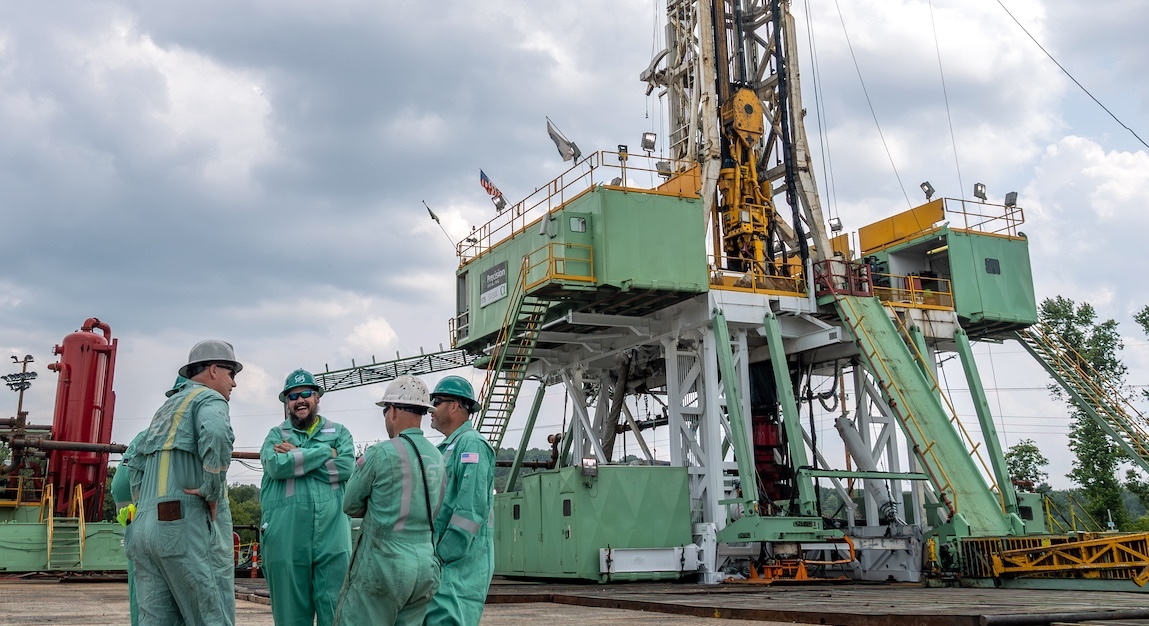
“This area is stunningly beautiful. The tour was really educational for our members and helped us understand the scope of the worksite and everything CNX is doing to ensure it’s safe,” said Steve Master, Fire Chief with the Bell Township Fire Department. “It’s important for our community to understand what’s happening here so we can support and work with CNX.”
The rig tour and community day is one small piece of CNX’s Appalachia First vision, which amplifies the values CNX has lived for 160 years: putting the people of Appalachia first by prioritizing investments and utilizing home-grown resources that truly make a tangible, impactful, and local difference in our communities.
Related Articles

