

See Also Doing Business with CNX – Midstream →
GATHERING AND TRANSPORTING NATURAL GAS AND WATER
The natural gas that we produce from our wells must be collected, compressed and processed to meet the pressure and quality requirements of the nation’s interstate pipeline network so that it can ultimately serve the needs of our energy-hungry world. We collect and consolidate gas from our well pads through our pipeline gathering system, where it is transported to be processed at a central location.
Processing of the gas varies based on its composition, or the mixture of components within gas stream. Almost universally, we must dehydrate or remove water vapor from the gas. Much like the air around us, water in the air isn’t noticed until we see morning dew on the grass. Changes in pressure and temperatures condense water vapor into water droplets. Likewise, natural gas undergoes pressure and temperature changes as it travels through pipelines to its ultimate points of use. As you can imagine, while water droplets cause no issue on your lawn, water in a gas pipeline is undesirable for many reasons.
In some cases, inert gases like carbon dioxide or oxygen are removed to enhance the overall purity of the gas. Other processing steps may include the removal of entrained natural gas liquids (NGLs) such as ethane and propane, which can be used as an alternative heating source or as feedstock for the production of plastics and other chemicals.
Compression, or boosting, is required when the pressure at the wellhead is lower than the pressure required to enter the pipelines we deliver gas to. Compression can serve as both a production-enhancement tool and as a means to provide the pressure necessary for the gas to be transported over long distances through a pipeline system. The interstate pipeline systems ultimately carry the gas to the final consumer or local distribution company that fuels your home.
CNX utilizes a similar infrastructure concept to manage water transportation, maximizing our water reuse and recycling potential. Water pipelines are installed in tandem with the gas gathering pipelines to gather water from producing natural gas wells, which, in turn, deliver the water to central points for storage and reuse. These co-located pipelines reduce our environmental footprint by requiring only one right of way. Boosting stations along the water pipeline route keep water moving down the pipeline and allows water to be transported and stored at strategically placed centralized storage facilities within our operational footprint. This water management system significantly reduces the demand on freshwater and significantly reduces the need for trucks to transport the water, eliminating safety and spill risks, emissions, and traffic nuisances on public roadways.

 CNX Resolves Defamation Lawsuit with Capital & Main
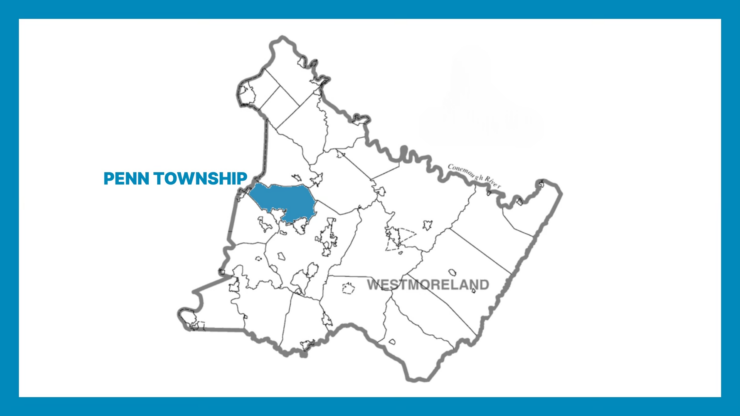 CNX To Expand Innovative Natural Gas Development in Penn Township and Across Westmoreland County
 New Study Highlights Economic Impact of Coal Mine Methane Capture in Southwest Virginia, Offering a Model Nationwide