WFN12

Air Quality MonitoringChemical Additive Disclosures

Air Quality Monitoring

Upwind and downwind air quality monitoring equipment measuring PM2.5 (particulate matter) and VOCs known as BTEX was installed within 500’ of the well pad.

The prevailing wind direction for this region is from the southwest. CNX positioned the PM2.5 monitors such that one would be subject to winds from upwind of the well pad and the other would be in the path of wind traveling across the well pad (downwind).

Follow this link to see more information on CNX methane emission monitoring and mitigation efforts.

Under Maintenance

WDTN18

Air Quality MonitoringChemical Additive DisclosuresAir Monitoring Historical

Air Quality Monitoring

Upwind and downwind air quality monitoring equipment measuring PM2.5 (particulate matter) and VOCs known as BTEX was installed within 500’ of the well pad.

The prevailing wind direction for this region is from the southwest. CNX positioned the PM2.5 monitors such that one would be subject to winds from upwind of the well pad and the other would be in the path of wind traveling across the well pad (downwind).

Follow this link to see more information on CNX methane emission monitoring and mitigation efforts.

Under Maintenance


WDTN5

Air Quality MonitoringChemical Additive Disclosures

Air Quality Monitoring

Upwind and downwind air quality monitoring equipment measuring PM2.5 (particulate matter) and VOCs known as BTEX was installed within 500’ of the well pad.

The prevailing wind direction for this region is from the southwest. CNX positioned the PM2.5 monitors such that one would be subject to winds from upwind of the well pad and the other would be in the path of wind traveling across the well pad (downwind).

Follow this link to see more information on CNX methane emission monitoring and mitigation efforts.

Under Maintenance

Shirley Station

Air Quality Monitoring

Air Quality Monitoring

Upwind and downwind air quality monitoring equipment measuring PM2.5 (particulate matter) and VOCs known as BTEX was installed within 500’ of the station.

The prevailing wind direction for this region is from the southwest. CNX positioned the PM2.5 monitors such that one would be subject to winds from upwind of the station and the others would be in the path of wind traveling across the station (downwind).

Follow this link to see more information on CNX methane emission monitoring and mitigation efforts.

Due to the lack of a West Virginia Department of Environmental Protection (DEP) ambient air monitoring station within close proximity to the Shirley Station site, no regional background data are available for direct comparison to the site-specific results. This limitation may affect the ability to contextualize site-specific measurements against regional baseline conditions. Users are encouraged to consider this when reviewing the monitoring data presented.

Under Maintenance

RHL37

Air Quality MonitoringChemical Additive Disclosures

Air Quality Monitoring

Upwind and downwind air quality monitoring equipment measuring PM2.5 (particulate matter) and VOCs known as BTEX was installed within 500’ of the well pad.

The prevailing wind direction for this region is from the southwest. CNX positioned the PM2.5 monitors such that one would be subject to winds from upwind of the well pad and the other would be in the path of wind traveling across the well pad (downwind).

Follow this link to see more information on CNX methane emission monitoring and mitigation efforts.

Under Maintenance

Proposed Additives

Drilled and/or completed prior to Radical Transparency launch in November of 2023. No data available.

Actual Additives

RHL37 Drilling Fluid Additives RHL37 Hydraulic Fracturing Fluid Additives

NV113

Air Quality MonitoringChemical Additive Disclosures

Air Quality Monitoring

Upwind and downwind air quality monitoring equipment measuring PM2.5 (particulate matter) and VOCs known as BTEX was installed within 500’ of the well pad.

The prevailing wind direction for this region is from the southwest. CNX positioned the PM2.5 monitors such that one would be subject to winds from upwind of the well pad and the other would be in the path of wind traveling across the well pad (downwind).

Follow this link to see more information on CNX methane emission monitoring and mitigation efforts.

Under Maintenance

NV110

Air Quality MonitoringChemical Additive Disclosures

Air Quality Monitoring

Upwind and downwind air quality monitoring equipment measuring PM2.5 (particulate matter) and VOCs known as BTEX was installed within 500’ of the well pad.

The prevailing wind direction for this region is from the southwest. CNX positioned the PM2.5 monitors such that one would be subject to winds from upwind of the well pad and the other would be in the path of wind traveling across the well pad (downwind).

Follow this link to see more information on CNX methane emission monitoring and mitigation efforts.

Under Maintenance

Proposed Additives

Drilled and/or completed prior to Radical Transparency launch in November of 2023. No data available.

Actual Additives

NV110 Drilling Fluid AdditivesNV110 Hydraulic Fracturing Fluid Additives

Morris Station

Air Quality Monitoring

Air Quality Monitoring

Upwind and downwind air quality monitoring equipment measuring PM2.5 (particulate matter) and VOCs known as BTEX was installed within 500’ of the station.

The prevailing wind direction for this region is from the southwest. CNX positioned the PM2.5 monitors such that one would be subject to winds from upwind of the station and the other would be in the path of wind traveling across the station (downwind).

Follow this link to see more information on CNX methane emission monitoring and mitigation efforts.

Under Maintenance

MOR9

Air Quality MonitoringChemical Additive Disclosures

Air Quality Monitoring

Upwind and downwind air quality monitoring equipment measuring PM2.5 (particulate matter) and VOCs known as BTEX was installed within 500’ of the well pad.

The prevailing wind direction for this region is from the southwest. CNX positioned the PM2.5 monitors such that one would be subject to winds from upwind of the well pad and the other would be in the path of wind traveling across the well pad (downwind).

Follow this link to see more information on CNX methane emission monitoring and mitigation efforts.

Under Maintenance

Mamont Station

Air Quality Monitoring

Air Quality Monitoring

Upwind and downwind air quality monitoring equipment measuring PM2.5 (particulate matter) and VOCs known as BTEX was installed within 500’ of the station.

The prevailing wind direction for this region is from the southwest. CNX positioned the PM2.5 monitors such that one would be subject to winds from upwind of the station and the other would be in the path of wind traveling across the station (downwind).

Follow this link to see more information on CNX methane emission monitoring and mitigation efforts.

Under Maintenance

MAM16

Air Quality MonitoringChemical Additive Disclosures

Air Quality Monitoring

Upwind and downwind air quality monitoring equipment measuring PM2.5 (particulate matter) and VOCs known as BTEX was installed within 500’ of the well pad.

The prevailing wind direction for this region is from the southwest. CNX positioned the PM2.5 monitors such that one would be subject to winds from upwind of the well pad and the other would be in the path of wind traveling across the well pad (downwind).

Follow this link to see more information on CNX methane emission monitoring and mitigation efforts.

Under Maintenance

MAM15

Air Quality MonitoringChemical Additive Disclosures

Air Quality Monitoring

Upwind and downwind air quality monitoring equipment measuring PM2.5 (particulate matter) and VOCs known as BTEX was installed within 500’ of the well pad.

The prevailing wind direction for this region is from the southwest. CNX positioned the PM2.5 monitors such that one would be subject to winds from upwind of the well pad and the other would be in the path of wind traveling across the well pad (downwind).

Follow this link to see more information on CNX methane emission monitoring and mitigation efforts.

Under Maintenance

MAM14

Air Quality MonitoringChemical Additive DisclosuresWater Protection Monitoring

Air Quality Monitoring

Upwind and downwind air quality monitoring equipment measuring PM2.5 (particulate matter) and VOCs known as BTEX was installed within 500’ of the well pad.

The prevailing wind direction for this region is from the southwest. CNX positioned the PM2.5 monitors such that one would be subject to winds from upwind of the well pad and the other would be in the path of wind traveling across the well pad (downwind).

Follow this link to see more information on CNX methane emission monitoring and mitigation efforts.

Under Maintenance

Majorsville Compressor Station

Air Quality Monitoring

Air Quality Monitoring

Upwind and downwind air quality monitoring equipment measuring PM2.5 (particulate matter) and VOCs known as BTEX was installed within 500’ of the station.

The prevailing wind direction for this region is from the southwest. CNX positioned the PM2.5 monitors such that one would be subject to winds from upwind of the station and the others would be in the path of wind traveling across the station (downwind).

Follow this link to see more information on CNX methane emission monitoring and mitigation efforts.

Under Maintenance

MAJ8

Air Quality MonitoringChemical Additive DisclosuresWater Protection Monitoring

Air Quality Monitoring

Upwind and downwind air quality monitoring equipment measuring PM2.5 (particulate matter) and VOCs known as BTEX was installed within 500’ of the well pad.

The prevailing wind direction for this region is from the southwest. CNX positioned the PM2.5 monitors such that one would be subject to winds from upwind of the well pad and the other would be in the path of wind traveling across the well pad (downwind).

Follow this link to see more information on CNX methane emission monitoring and mitigation efforts.

Under Maintenance

Herminie

Air Quality MonitoringChemical Additive Disclosures

Air Quality Monitoring

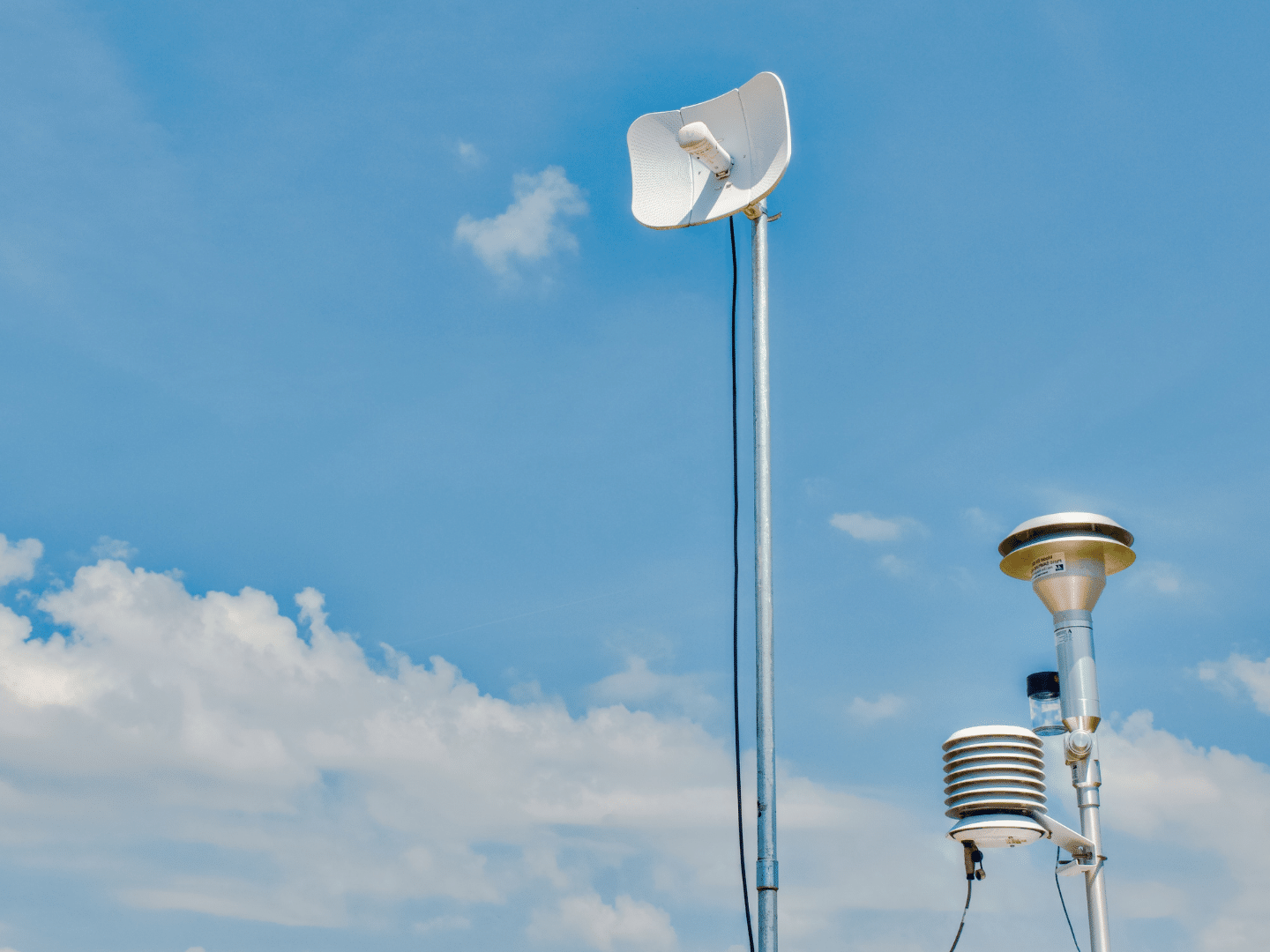
Upwind and downwind air quality monitoring equipment measuring PM2.5 (particulate matter) and VOCs known as BTEX was installed within 500’ of the well pad.

The prevailing wind direction for this region is from the southwest. CNX positioned the PM2.5 monitors such that one would be subject to winds from upwind of the well pad and the other would be in the path of wind traveling across the well pad (downwind).

Follow this link to see more information on CNX methane emission monitoring and mitigation efforts.

Under Maintenance

Proposed Additives

Drilled or completed by APEX Energy Co.

Actual Additives

Drilled or completed by APEX Energy Co.

Dry Ridge Compressor Station

Air Quality Monitoring

Air Quality Monitoring

Upwind and downwind air quality monitoring equipment measuring PM2.5 (particulate matter) and VOCs known as BTEX was installed within 500’ of the station.

The prevailing wind direction for this region is from the southwest. CNX positioned the PM2.5 monitors such that one would be subject to winds from upwind of the station and the other would be in the path of wind traveling across the station (downwind).

Follow this link to see more information on CNX methane emission monitoring and mitigation efforts.

Under Maintenance

Buckland Compressor Station

Air Quality Monitoring

Air Quality Monitoring

Upwind and downwind air quality monitoring equipment measuring PM2.5 (particulate matter) and VOCs known as BTEX was installed within 500’ of the station.

The prevailing wind direction for this region is from the southwest. CNX positioned the PM2.5 monitors such that one would be subject to winds from upwind of the station and the other would be in the path of wind traveling across the station (downwind).

Follow this link to see more information on CNX methane emission monitoring and mitigation efforts.

Under Maintenance

BP6

Air Quality MonitoringChemical Additive Disclosures

Upwind and downwind air quality monitoring equipment measuring PM2.5 (particulate matter) and VOCs known as BTEX was installed within 500’ of the well pad.

The prevailing wind direction for this region is from the southwest. CNX positioned the PM2.5 monitors such that one would be subject to winds from upwind of the well pad and the other would be in the path of wind traveling across the well pad (downwind).

Follow this link to see more information on CNX methane emission monitoring and mitigation efforts.

Under Maintenance

ACAA4

Air Quality MonitoringChemical Additive DisclosuresAir Monitoring Historical

Air Quality Monitoring

Upwind and downwind air quality monitoring equipment measuring PM2.5 (particulate matter) and VOCs known as BTEX was installed within 500’ of the well pad.

The prevailing wind direction for this region is from the southwest. CNX positioned the PM2.5 monitors such that one would be subject to winds from upwind of the well pad and the other would be in the path of wind traveling across the well pad (downwind).

Follow this link to see more information on CNX methane emission monitoring and mitigation efforts.

Due to the pre-existing monitoring configuration and constraints of the property (airport security restrictions) near the ACAA 4 Well Pad, standard spacing considerations for the placement of BAM monitors—ideally sited at a minimum distance of 500 feet—were not achievable. As a result, the location of the monitor placed in the prevailing upwind location may influence data interpretation due to its proximity to development activities, and users should consider this constraint when evaluating the measurements presented.

Under Maintenance

Trip 1

Proposed Additives

Drilled and/or completed prior to Radical Transparency launch in November of 2023. No data available.

Actual Additives

ACAA4 Drilling Fluid AdditivesACAA4 Hydraulic Fracturing Fluid Additives

Trip 2

Proposed Additives

ACAA4 Trip 2 Proposed Drilling Fluid Additives

Actual Additives